Birthplace: Tsingtao, China [now Qingdao, Shandong, China]
Died: Dec 24, 1997
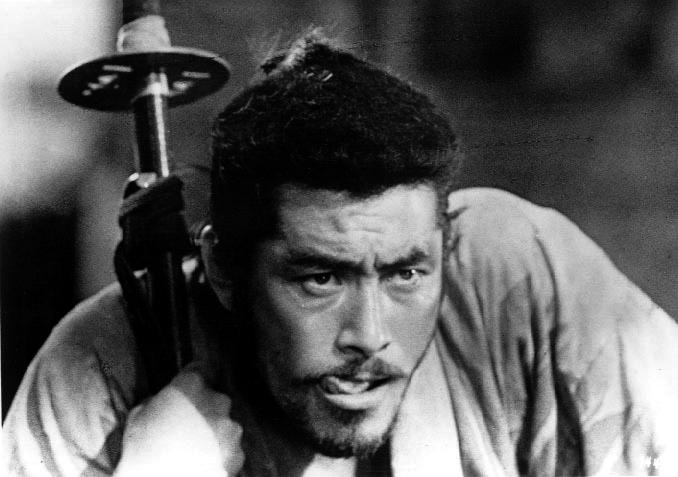
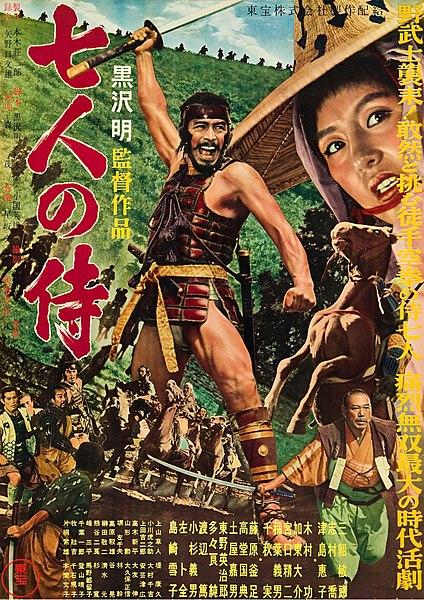
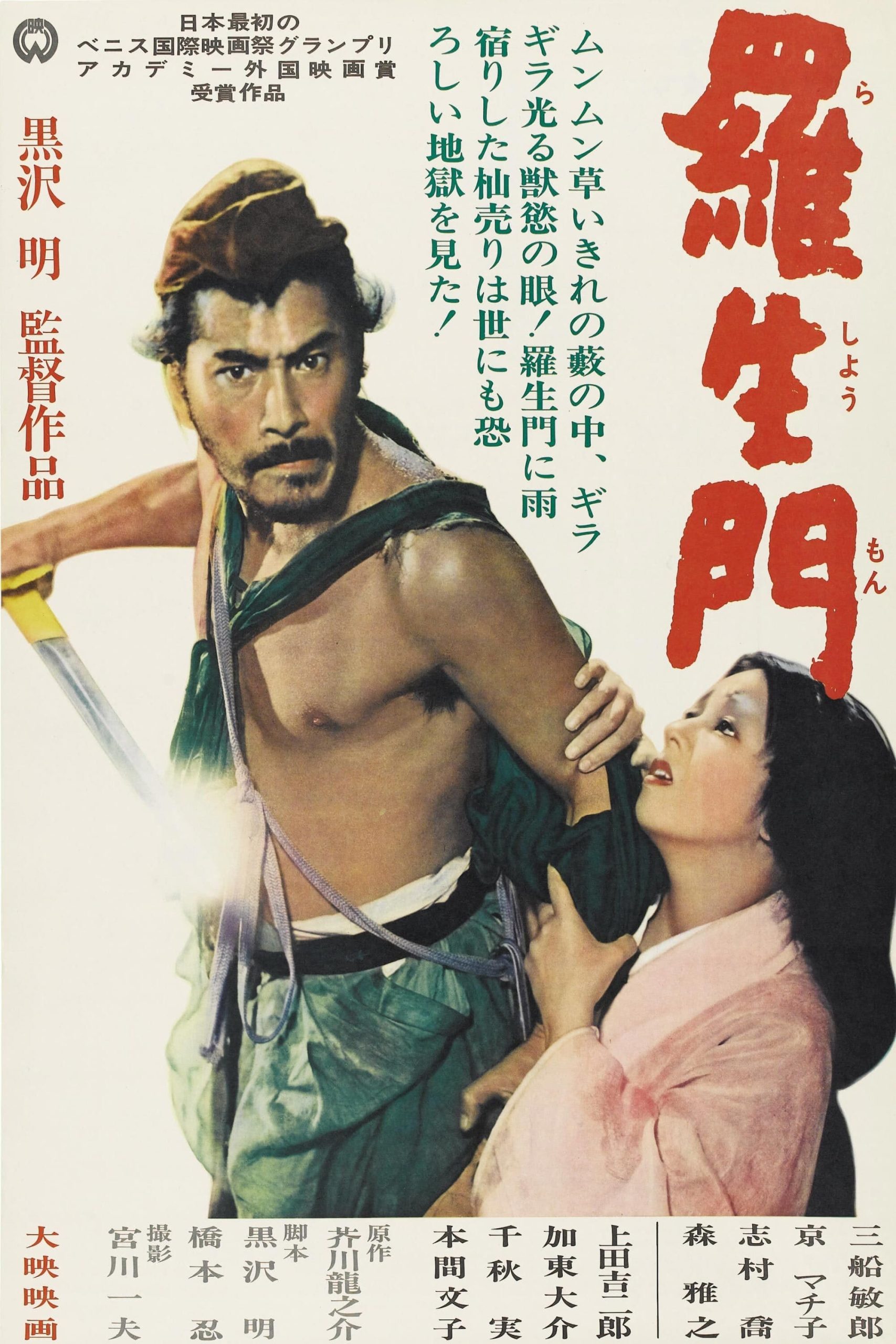
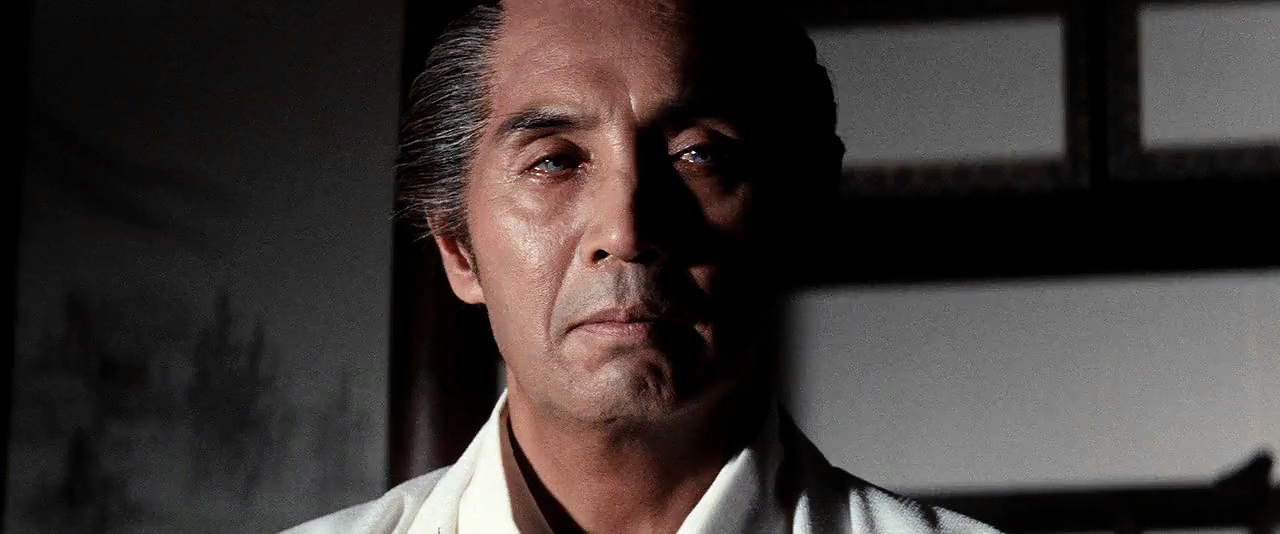
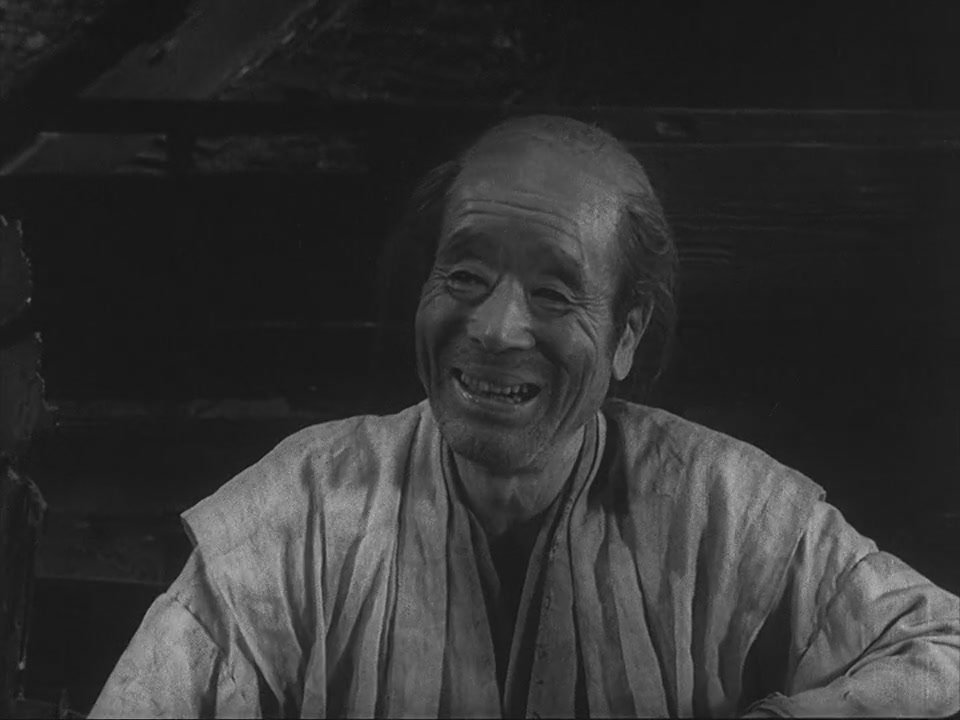
Toshiro Mifune achieved more worldwide fame than any other Japanese actor of his century. He was born in Tsingtao, China, to Japanese parents and grew up in Dalian. He did not set foot in Japan until he was 21. His father was an importer and a commercial photographer, and young Toshiro worked in his father's studio for a time after graduating from Dalian Middle School. He was automatically drafted into the Japanese army when he turned 20, and enlisted in the Air Force where he was attached to the Aerial Photography Unit for the duration of the World War II. In 1947 he took a test for Kajirô Yamamoto, who recommended him to director Senkichi Taniguchi, thus leading to Mifune's first film role in These Foolish Times II (1947). Mifune then met and bonded with director Akira Kurosawa, and the two joined to become the most prominent actor-director pairing in all Japanese cinema. Beginning with Drunken Angel (1948), Mifune appeared in 16 of Kurosawa's films, most of which have become world-renowned classics. In Kurosawa's pictures, especially Rashomon (1950), Mifune would become the most famous Japanese actor in the world. A dynamic and ferocious actor, he excelled in action roles, but also had the depth to plumb intricate and subtle dramatic parts. A personal rift during the filming of Red Beard (1965) ended the Mifune-Kurosawa collaboration, but Mifune continued to perform leading roles in major films both in Japan and in foreign countries. He was twice named Best Actor at the Venice Film Festival (for Yojimbo (1961) and Red Beard (1965)). In 1963 he formed his own production company, directing one film and producing several others. In his later years he gained new fame in the title role of the American TV miniseries Shogun (1980), and appeared infrequently in cameo roles after that. His last years were plagued with Alzheimer's Syndrome and he died of organ failure in 1997, a few months before the death of the director with whose name he will forever be linked, Akira Kurosawa.
Focused on the world of wealthy Qatari sheikhs with a passion for amateur falconry, 'The Challenge' combines cinematic beauty with rare access and trailblazing form. Here, the opulence of Qatar is on full display, as the men race SUVs up and down sand dunes, fly their prized falc... Read all
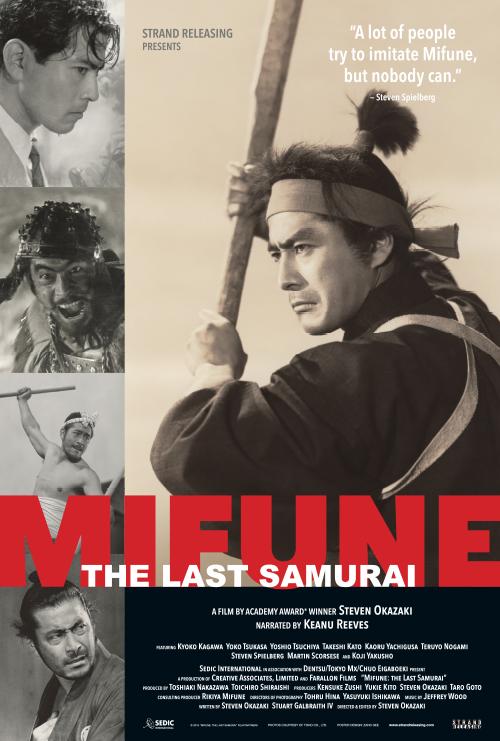
A feature-length documentary about the life and films of legendary actor Toshiro Mifune, weaving together film clips, archival stills, and interviews with such luminaries as Steven Spielberg and Martin Scorsese. Narrated by Keanu Reeves.
The younger brother of an assassinated US President is led down a rabbit hole of conspiracies and dead ends after learning of a man claiming to be the real shooter.
asKeith
1978 |
Love and Faithas Taiko Hideyoshi
1978 |
Nihon no Don: Kanketsuhenas Kosuke Oishi
1978 |
Shagas Captain Murata
1978 |
The Fall of Ako Castleas Tsuchiya
1978 |
Tono Eijirô no Mito Kômon
1977 |
Nippon no Don: Yabohenas Kosuke Oishi
1977 |
Proof of the Manas Yohei Kori
1976 |
Kakushi metsuke sanjôas Naizen-no-shô Tsukumo
1975 |
Paper Tigeras The Ambassador
1975 |
The New Spartansas WW2 vet
1971 |
Futari dake no asa
1971 |
Red Sunas Kuroda Jubei
1970 |
Aru heishi no kakeas Tadao Kinugasa
1970 |
Incident at Blood Passas The yojimbo
1970 |
The Ambitiousas Shojiro Goto
1970 |
The Militaristsas Adm. Isoroku Yamamoto
1970 |
Zatoichi Meets Yojimboas Sassa the yojimbo
1969 |
Battle of the Japan Seaas Admiral Heihachiro Togo
1969 |
Red Lionas Gonzo
1969 |
Safari 5000
1969 |
Samurai Bannersas Kansuke Yamamoto
1969 |
Shinsengumi: Assassins of Honoras Isami Kondo
1968 |
Admiral Yamamotoas Adm. Isoroku Yamamoto
1968 |
Gion matsurias Kumaza
1968 |
Hell in the Pacificas Captain Tsuruhiko Kuroda
1968 |
The Sands of Kurobeas Kitagawa
1967 |
Japan's Longest Dayas War Minister General Korechika Anami
1967 |
Samurai Rebellionas Isaburo Sasahara
1966 |
Adventure in Kigan Castleas Osumi
1966 |
Doto ichiman kairias Heihachirô Murakami
1966 |
Grand Prixas Izo Yamura
1966 |
Rise Against the Swordas Abare Goemon
1966 |
The Sword of Doomas Toranosuke Shimada
1965 |
Fort Graveyardas Sergeant Kosugi
1965 |
Red Beardas Dr. Kyojô Niide
1965 |
Samurai Assassinas Tsuruchiyo Niiro
1965 |
Taiheiyô kiseki no sakusen: Kisukaas Omura
1963 |
500,000as Takeichi Matsuo
1963 |
Attack Squadron!as Lt. Colonel Senda
1963 |
Samurai Pirateas Sukezaemon Naya - Sinbad in English Version
1963 |
High and Lowas Kingo Gondo
1962 |
Sanjuroas Sanjûrô Tsubaki
1962 |
Chushinguraas Genba Tawaraboshi
1962 |
Doburoku no Tatsuas Tatsu
1961 |
Daredevil in the Castleas Mohei
1961 |
The Important Manas Ánimas Trujano
1961 |
The Youth and His Amuletas Fudo-Myo (Immovable Bright King)
1957 |
Throne of Bloodas Taketoki Washizu
1961 |
Yojimboas Sanjuro Kuwabatake
1960 |
I Bombed Pearl Harboras Admiral Isoroku Yamaguchi
1960 |
Man Against Manas Kaji
1960 |
The Bad Sleep Wellas Kôichi Nishi
1960 |
The Gambling Samuraias Chûji Kunisada
1960 |
The Last Gunfightas Detective Saburo Fujioka
1959 |
Samurai Sagaas Heihachiro Komaki
1959 |
Sengoku gunto-denas Rokuro Kai
1959 |
The Three Treasuresas Prince Yamato Takeru
1958 |
The Hidden Fortressas General Rokurota Makabe
1958 |
The Rickshaw Manas Matsugoro
1958 |
Yagyû bugeichô: Sôryû hikenas Tasaburo
1957 |
A Dangerous Hero
1957 |
A Man in the Stormas Saburô Watari
1957 |
Be Happy, These Two Loversas Toshio Maruyama
1957 |
Downtownas Yoshio Tsuruishi
1957 |
The Lower Depthsas Sutekichi the Thief
1957 |
Yagyû bugeichôas Tasaburo
1956 |
A Wife's Heartas Kenkichi
1956 |
Aijô no kessanas Shuntaro Ohira
1956 |
Narazu-monoas Kanji
1956 |
Rainy Night Duelas Masahiko Koseki
1956 |
Rebels on the High Seaas Tokuzo Matsuo
1956 |
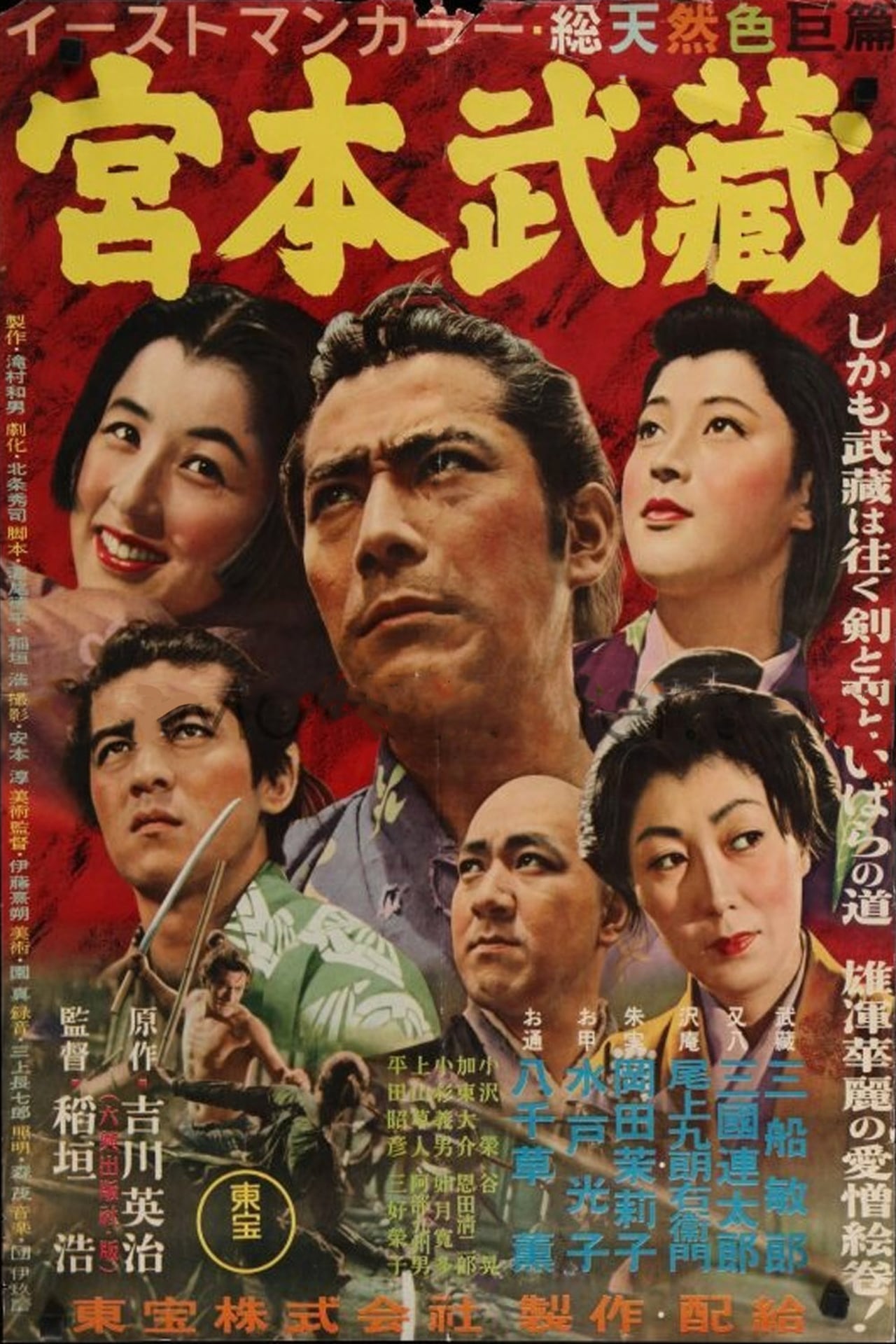
Samurai III: Duel at Ganryu Islandas Musashi Miyamoto (Takezo)