Birthdate: Oct 1, 1890
Birthplace: Manor Park, London, England, UK
Died: Jan 30, 1982
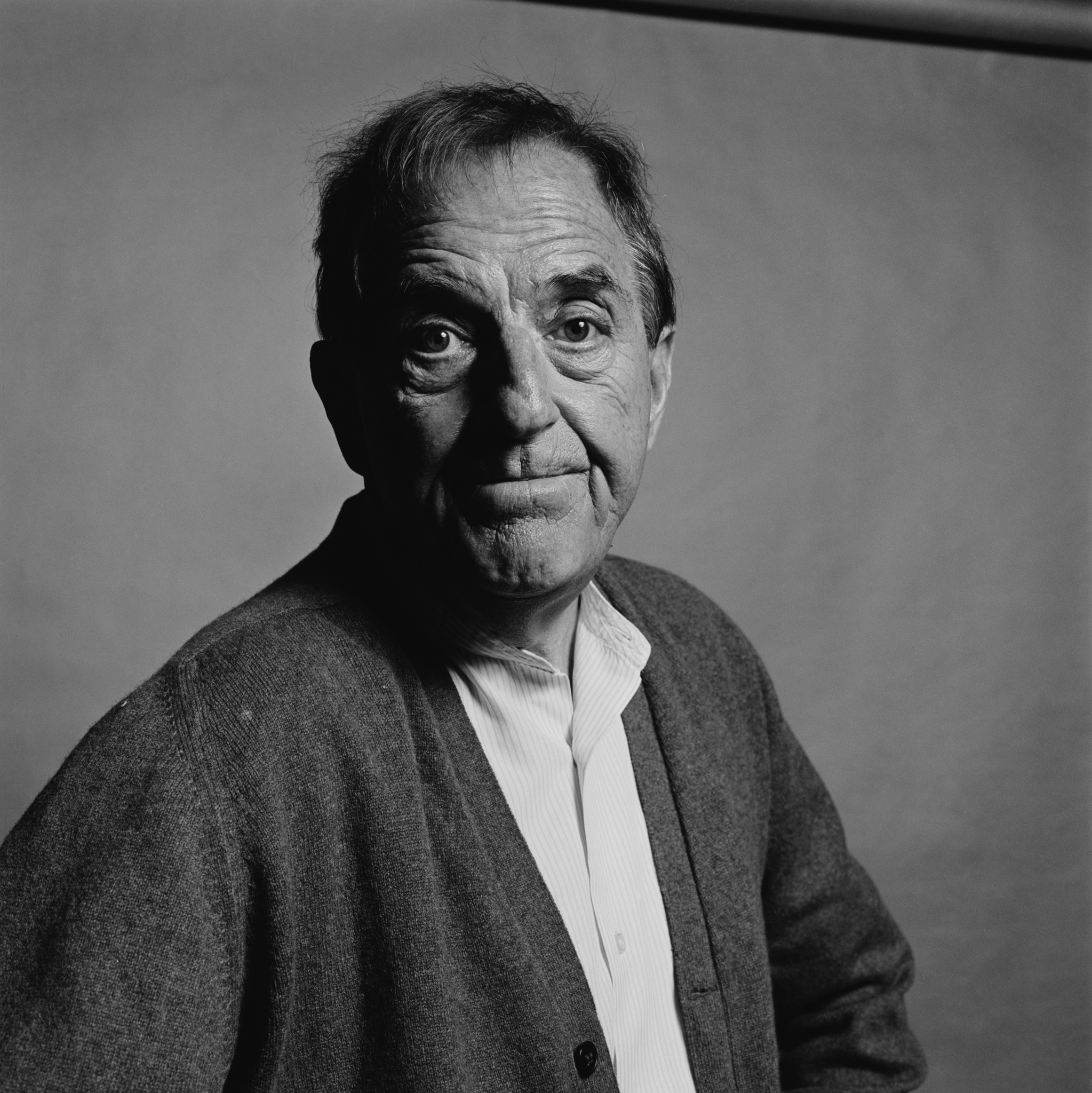
Stanley Holloway was a British actor and singer, primarily known for comic monologues and songs. In 1890, Holloway was born in Manor Park, Essex. In 1965, Manor Park was incorporated into Greater London, as part of an administrative reform. It is now part of the London Borough of Newham, in East London.
Holloway's parents were lawyer's clerk George Augustus Holloway (1860-1919) and Florence May Bell (1862-1913). His mother primarily worked as a housekeeper and dressmaker. Holloway's paternal grandfather was Augustus Holloway (1829-1884), a relatively wealthy shopkeeper from Poole, Dorset, who owned his own brush-making business. Holloway's maternal grandfather was lawyer Robert Bell, the boss of George Holloway. Through his mother's side of the family, Stanley Holloway was a great-nephew to theatrical actor Charles Bernard (1830-1894), the father of famous modernist architect Oliver Percy Bernard (1881-1939).
Holloway was named "Stanley", after the famous journalist and explorer Henry Morton Stanley (1841-1909). George Holloway, his father, abandoned his wife and family in 1905, forcing the 15-year-old Stanley Holloway to drop out of school and start working for a living. Stanley received training as a carpenter, but then found a better job as an office clerk. At his free time, he sang at a local choir. He also started a minor singing career, performing sentimental songs such as "The Lost Chord" (1877) by Arthur Sullivan.
In 1907, Holloway started his military service, as an infantry soldier for the London Rifle Brigade. In 1910, Holloway made his theatrical debut, performing in "The White Coons Show", a concert party variety show. From 1912 to 1914, he regularly performed at the West Cliff Gardens Theatre of Clacton-on-Sea, as a baritone singer. In 1913, Holloway was hired as a supporting actor in a concert party headed by then-famous comedian Leslie Henson (1891-1957). Holloway studied Henson's performance style, and came to regard Henson as his mentor.
In 1914, Holloway interrupted his stage career to officially join the British Army, during World War I. He served in the Connaught Rangers, the Irish line infantry regiment. He first taste of military action was fighting against Irish insurrectionists in the Easter Rising (April, 1916). Later in 1916, Holloway was transferred to France and got to experience trench-warfare first-hand. Late in the War, the military decided to use his acting experience to have Holloway perform in army revues, theatrical shows intended to boost the morale of the troops. Holloway was discharged from the Army in May, 1919. World War I was over, and the British Army was demobilizing.
Holloway soon resumed his acting and singing career, and found success in musicals performed at West End theaters. He made his film debut in the silent film "The Rotters" (1921). The first major hit of his theatrical career was becoming a leading performed in the concert party "The Co-Optimists" (1921-1927). Holloway appeared in 1,568 performances of this show over eight years and resumed his part in its 1929 film adaptation.
Holloway's newfound fame opened some new career opportunities for him. In 1923, he was hired as regular performer for BBC Radio, and in 1924 he recorded some of his hit songs for release in gramophone discs. In 1928, he started performing on-stage comic monologues. He created the stage character of "Sam Small", a working-class soldier of the Napoleonic Wars (1803-1815). Small was very popular with audiences, and Holloway performed this role both on stage and in film.
In the 1930s, Holloway regularly performed in theatrical films by the Ealing Studios, while continuing his successful theatrical career. In 1939, World War II started. At age 49, veteran soldier Holloway was considered too old to re-enlist in the Army. He was hired, however, by the British Film Institute and Pathé News to narrate war-time propaganda films, educational films, and documentaries. Later in the 1940s, he narrated the documentary film series "Time To Remember" for Pathé News. It was a retrospective of British and world history from 1915 to 1942.
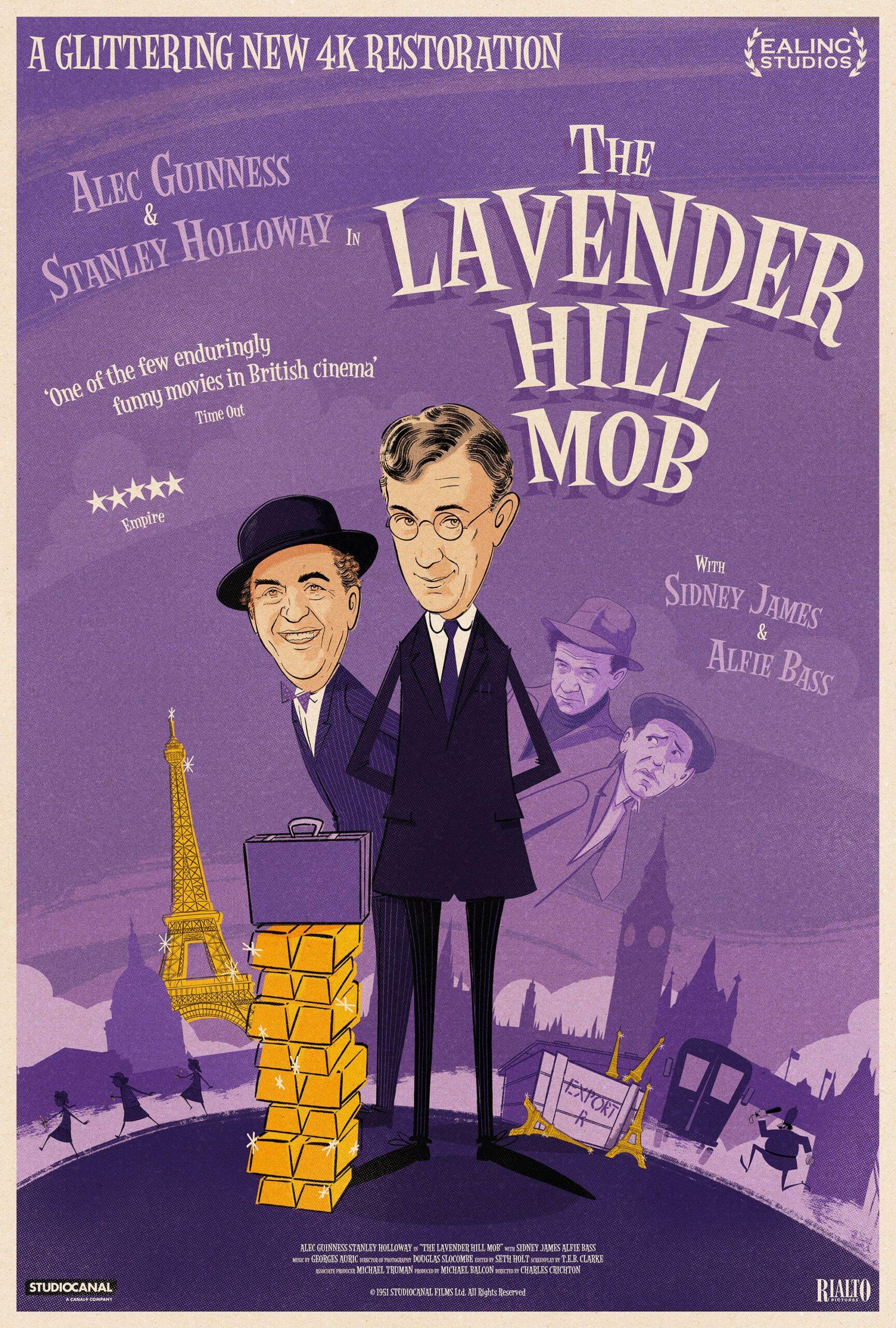
In the early 1950s, Holloway appeared in a number of successful films by the Ealing Studios, such as ''The Lavender Hill Mob'' (1951) and ''The Titfield Thunderbolt'' (1953). The company terminated its relationship with him in 1953 (for unclear reasons), and was taken over by the BBC in 1955.
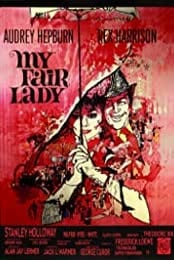
In 1956, Holloway created the role of "Alfred P. Doolittle" in the Broadway production of a new musical play, "My Fair Lady" (1956) by Alan Jay Lerner. The play was an adaption of the play "Pygmalion" (1913) by George Bernard Shaw. Holloway was Lerner's first choice for the role, though Lerner was concerned whether the 66-year-old Holloway still had his resonant singing voice. Holloway relieved Lerner's concerns with an improvised singing performance during their lunch meeting. Doolittle became one of Holloway's most famous roles, and he was hired to reprise the role in the 1964 film adaptation of the musical.
In the 1960s, Holloway was still popular and continued to receive offers for more roles. He had a starring role in the short-lived American sitcom "Our Man Higgins" (1962-1963). He was cast as Higgins, a traditional English butler who found himself employed by a "modern" American suburban family. The series was based on the culture clash between employer and employee from much different backgrounds.
In 1967, Holloway was cast in the British sitcom "Blandings Castle", an adaptation of a series of books by P. G. Wodehouse. The series was popular at the time, but critics felt that Holloway was miscast. The series is considered lost, since BBC erased its tapes of the episodes.
In the early 1970s, Holloway continued regularly appearing in film, but his advanced age limited his potential for notable roles. His last film role was as a crime suspect in the Canadian thriller "Journey into Fear" (1975). He continued regularly appearing in theatre, but poor health forced him into retirement in 1980. He was 90-years-old, when he last performed at the Royal Variety Performance, at the London Palladium.
In January, 1982, Holloway suffered a stroke and died at the Nightingale Nursing Home in Littlehampton, West Sussex. He was buried at St Mary the Virgin Church in East Preston, West Sussex. His second wife, the actress Violet Marion Lane (1913-1997), was eventually buried beside him.
Holloway was married twice. He had four children from his first marriage to Alice "Queenie" Foran, and one child from his marriage to Violet Marion Lane. He was the father of actor Julian Holloway (1944-), and paternal grandfather of the author Sophie Dahl (1977-).
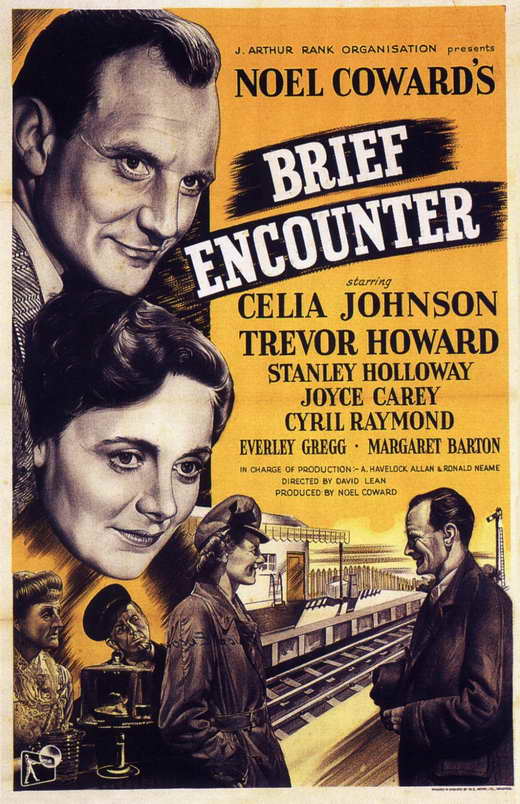
(1945)
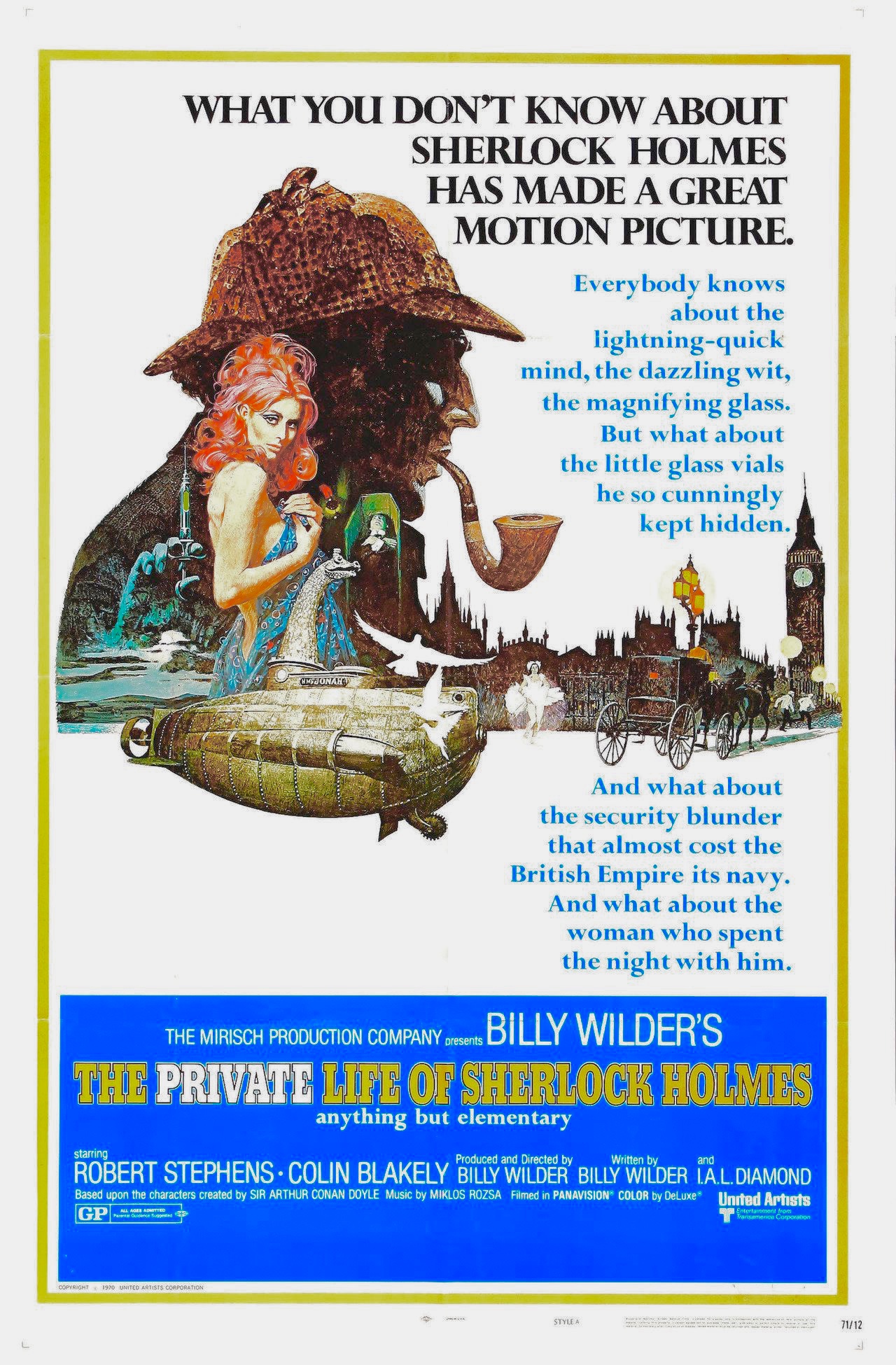
(1970)
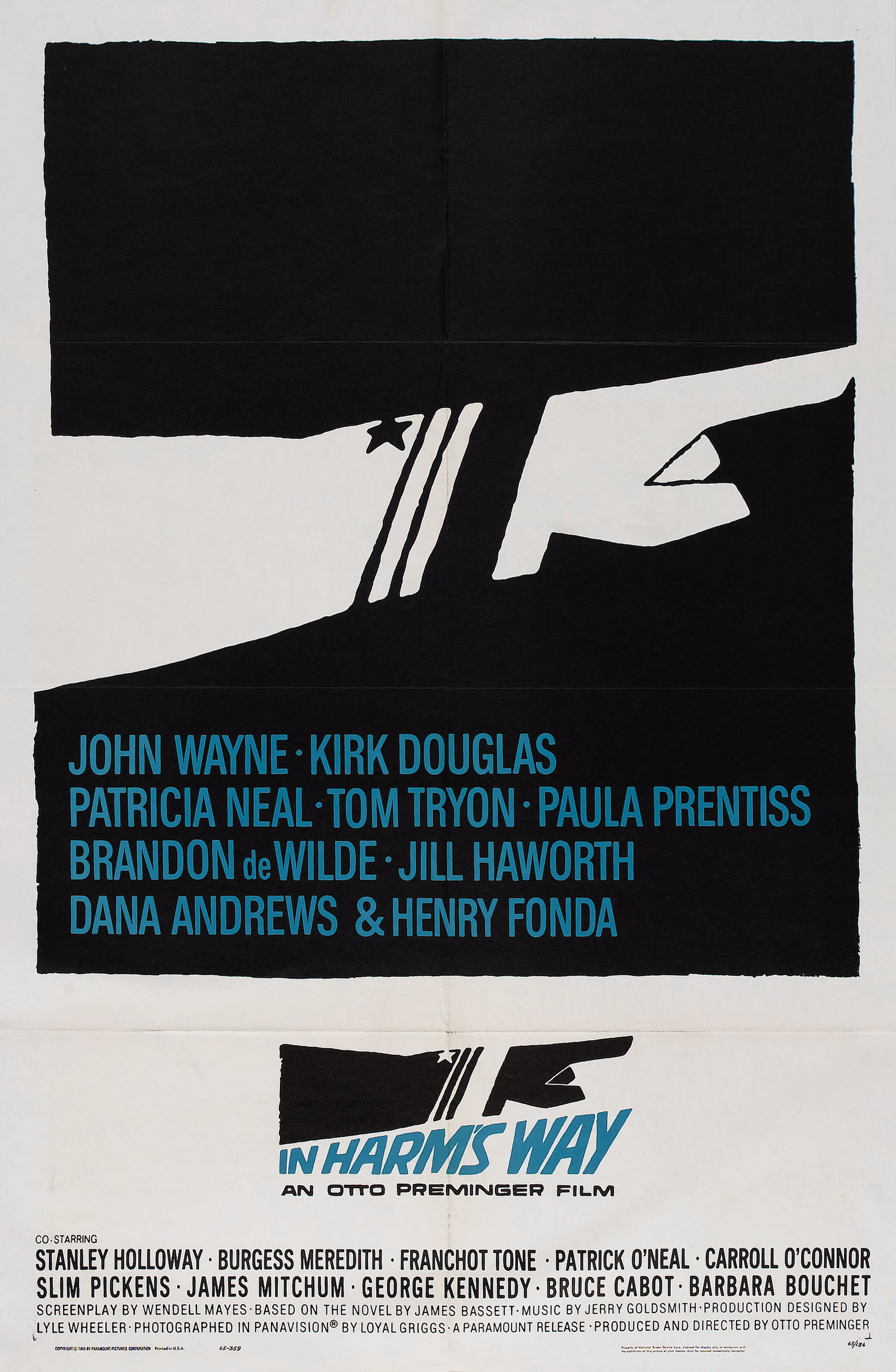
(1965)
Previous (59)
People Also Searched For