Setsuko Hara

    Actor, Soundtrack

    Birthdate: Jun 17, 1920

    Birthplace: Yokohama, Japan

    Died: Sep 5, 2015

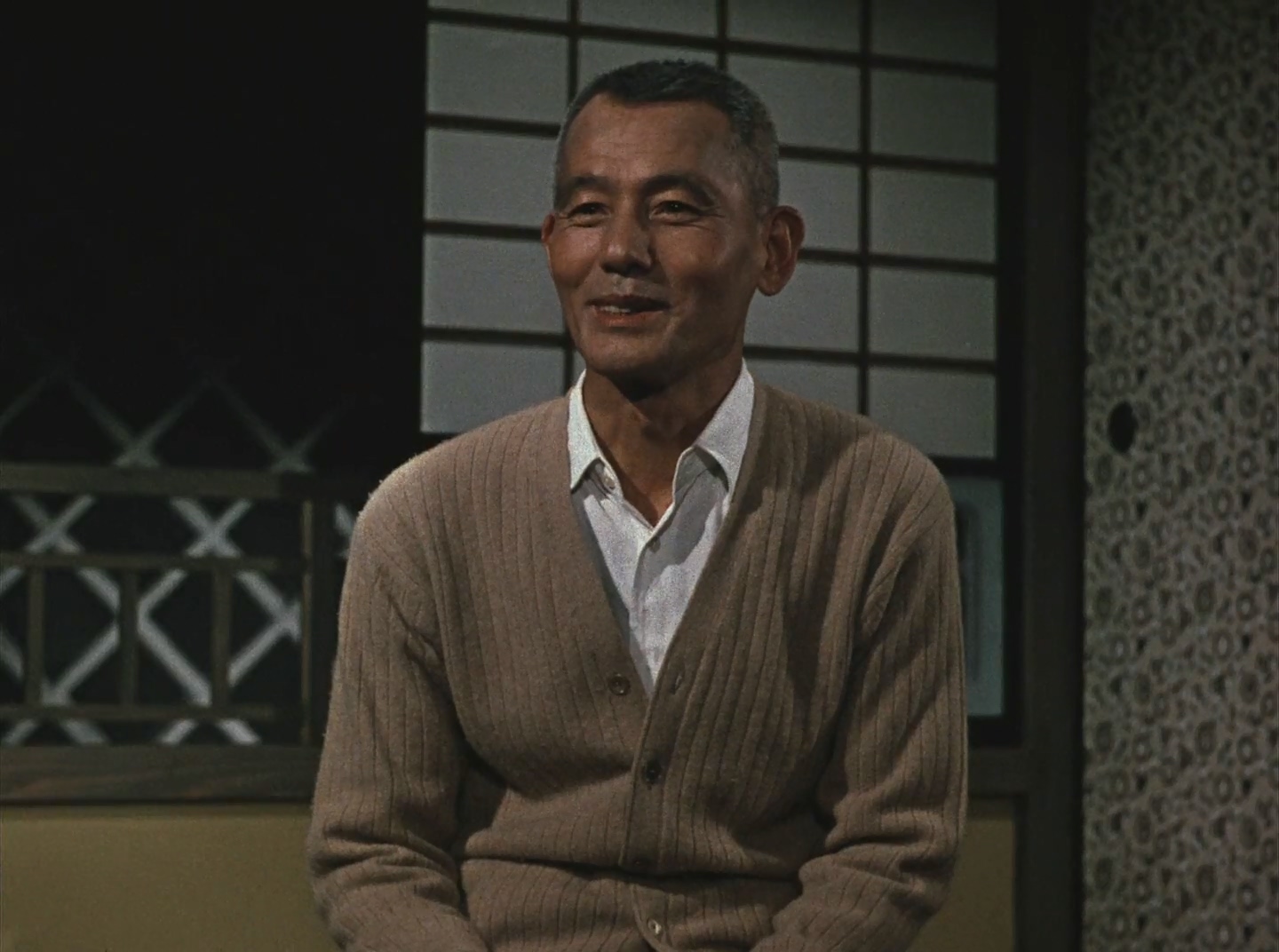
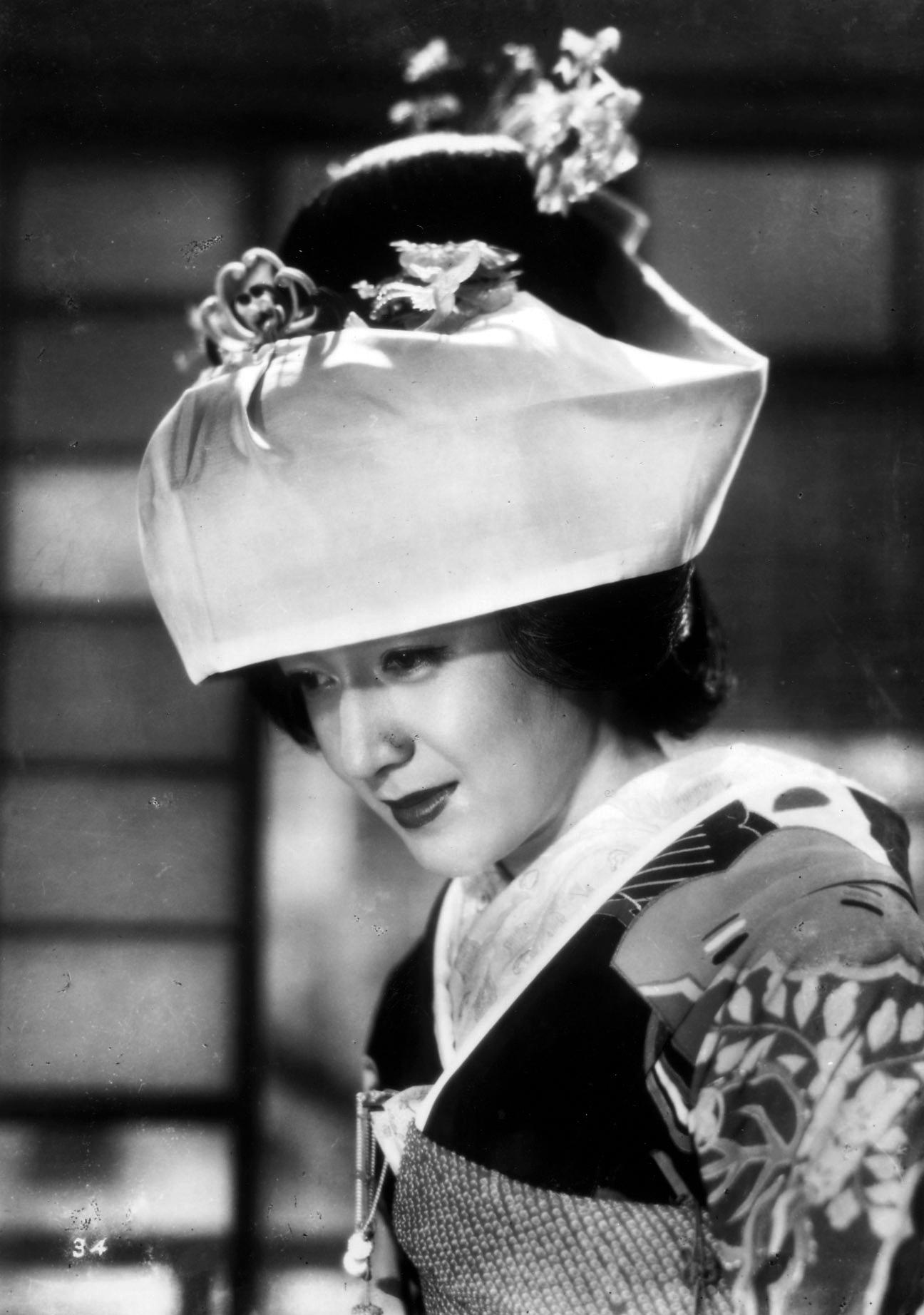
    Setsuko Hara became one of Japan's best-loved stars over her 30-year film career. Her signature character type, variations on a daughter devoted to her parents and home, inspired the nickname that stayed with her until retirement: the Eternal Virgin. To some extent, reality mirrored her roles in these films. In a society that considers marriage and parenting almost obligatory, she remained single and childless, something of a controversy in Japan in the 1950s. Fortunately she was popular enough to avoid criticism, but the 1950s were still a hard decade. She was plagued by ill health, missing out on several top roles as a result, and she witnessed the death of her camera-man brother in a freak train accident on set.

    In 1963, shortly after the death of her mentor, director Yasujirô Ozu, she suddenly walked away from the film industry. At age 43, and at the height of her popularity, she bluntly refused to perform again, angering her fans, the industry, and the press. She implied acting had never been a pleasure and that she had only pursued a career in order to provide for her large family; this explanation is seen as the cause of her popularity backlash. She moved to a small house in picturesque Kamakura where she remained, living alone (though apparently sociable with friends), and refusing all roles offered.

    She is undoubtedly known mostly for her work with Yasujiro Ozu, making six films with the great director, including the so-called Noriko trilogy, of which Tokyo Story (1953) is probably the best-known. She also worked with Akira Kurosawa, Mikio Naruse, Hiroshi Inagaki, and many others.

    Known For

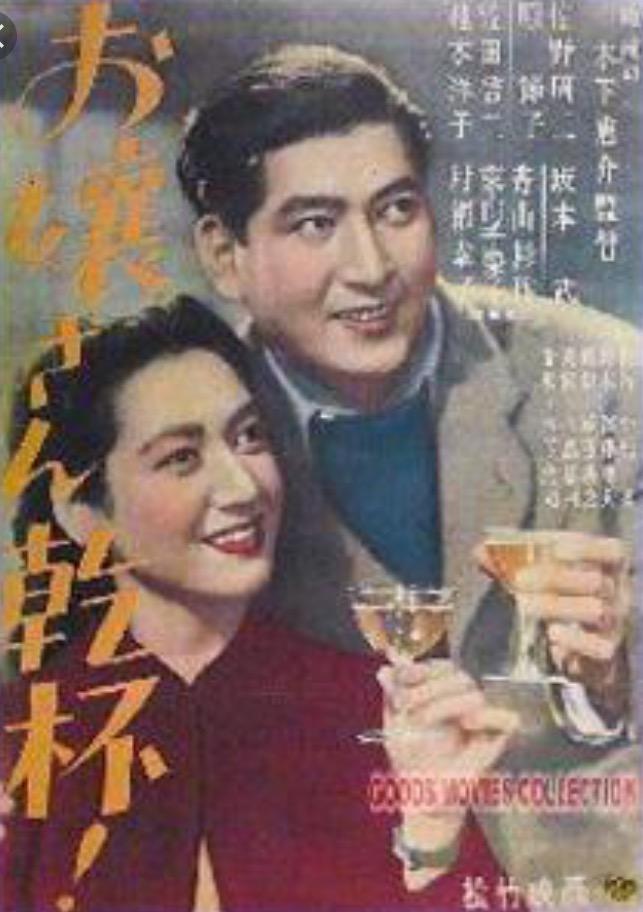
    Ojôsan kanpai
    Ojôsan kanpai

    (1949)

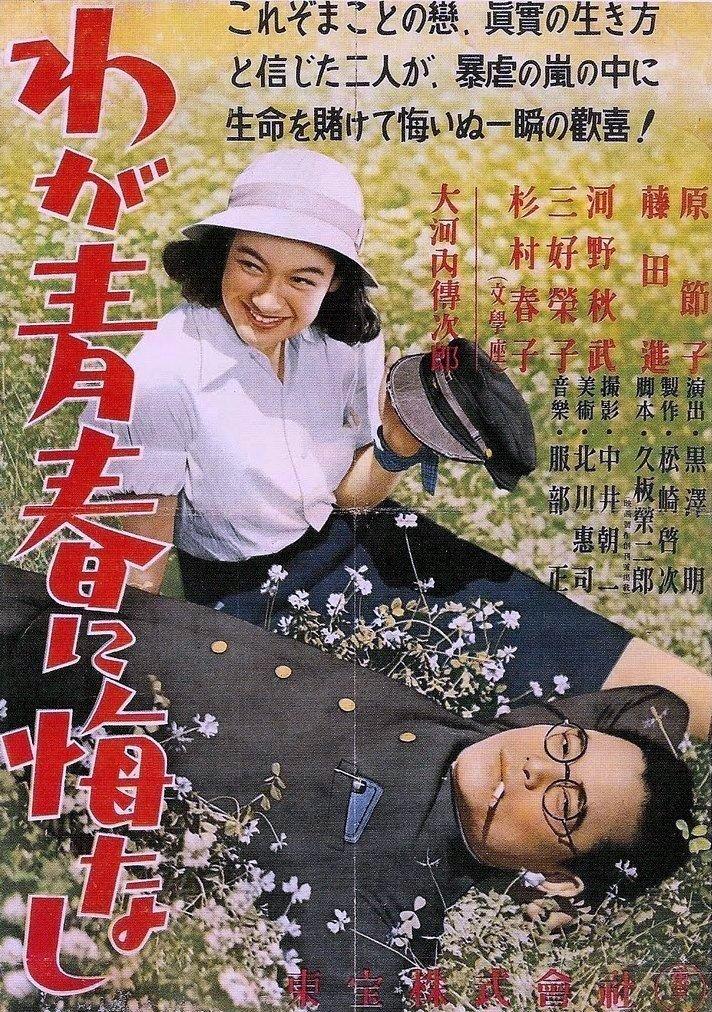
    No Regrets for Our Youth
    No Regrets for Our Youth

    (1946)

    Early Summer
    Early Summer

    (1951)

    Setsuko Hara Movies

    actor

    Collapse

    Previous (107)

    • 2016 |

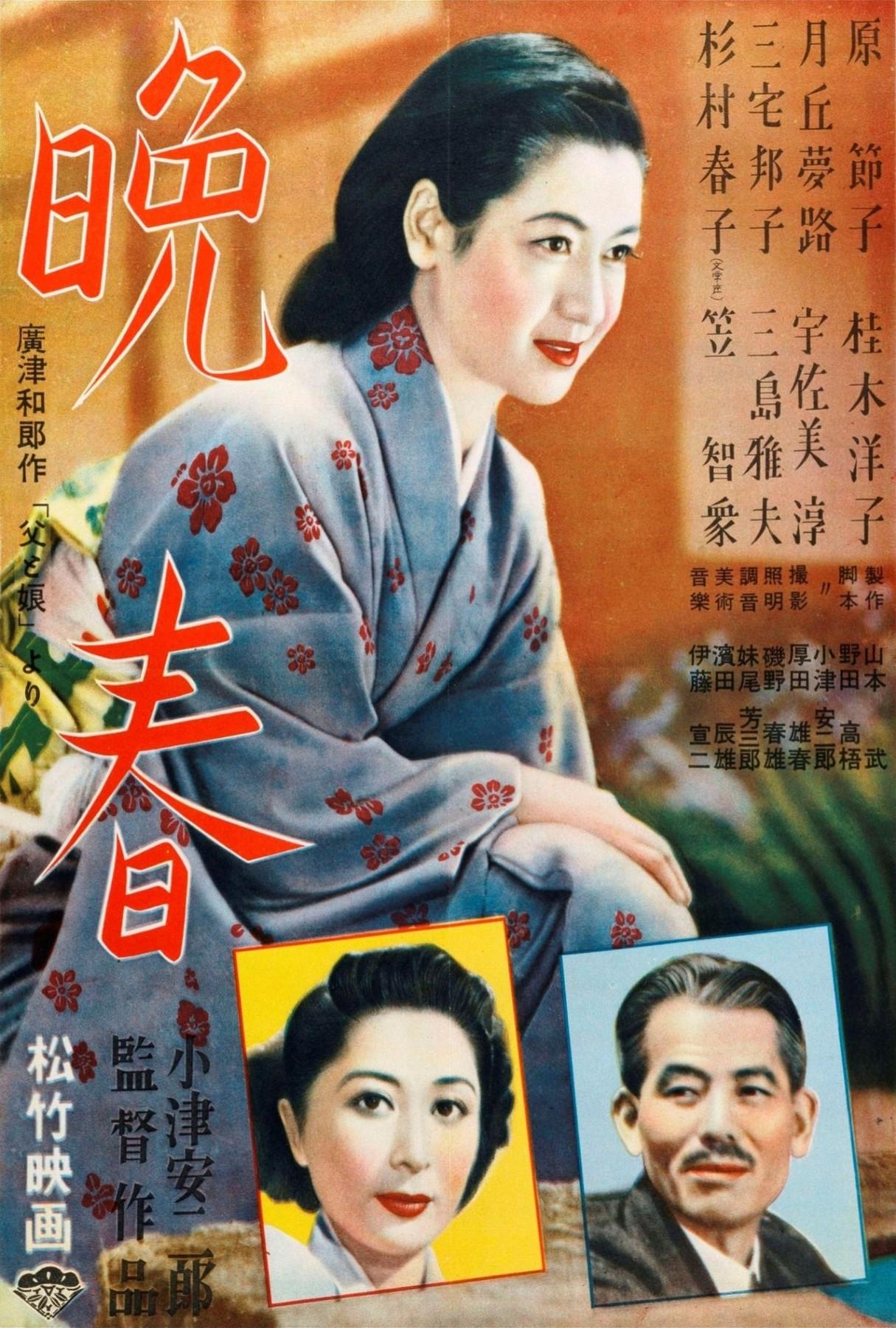
      Late Spring

      asNoriko Somiya
    • 1993 |
      The Cinema of Ozu According to Kiju Yoshida
    • 1972 |

      Tokyo Story

      asNoriko Hirayama
    • 1962 |
      Musume to watashi
    • 1961 |
      The End of Summer
    • 1960 |
      Daughters, Wives and a Mother
    • 1960 |
      Fundoshi isha
    • 1960 |
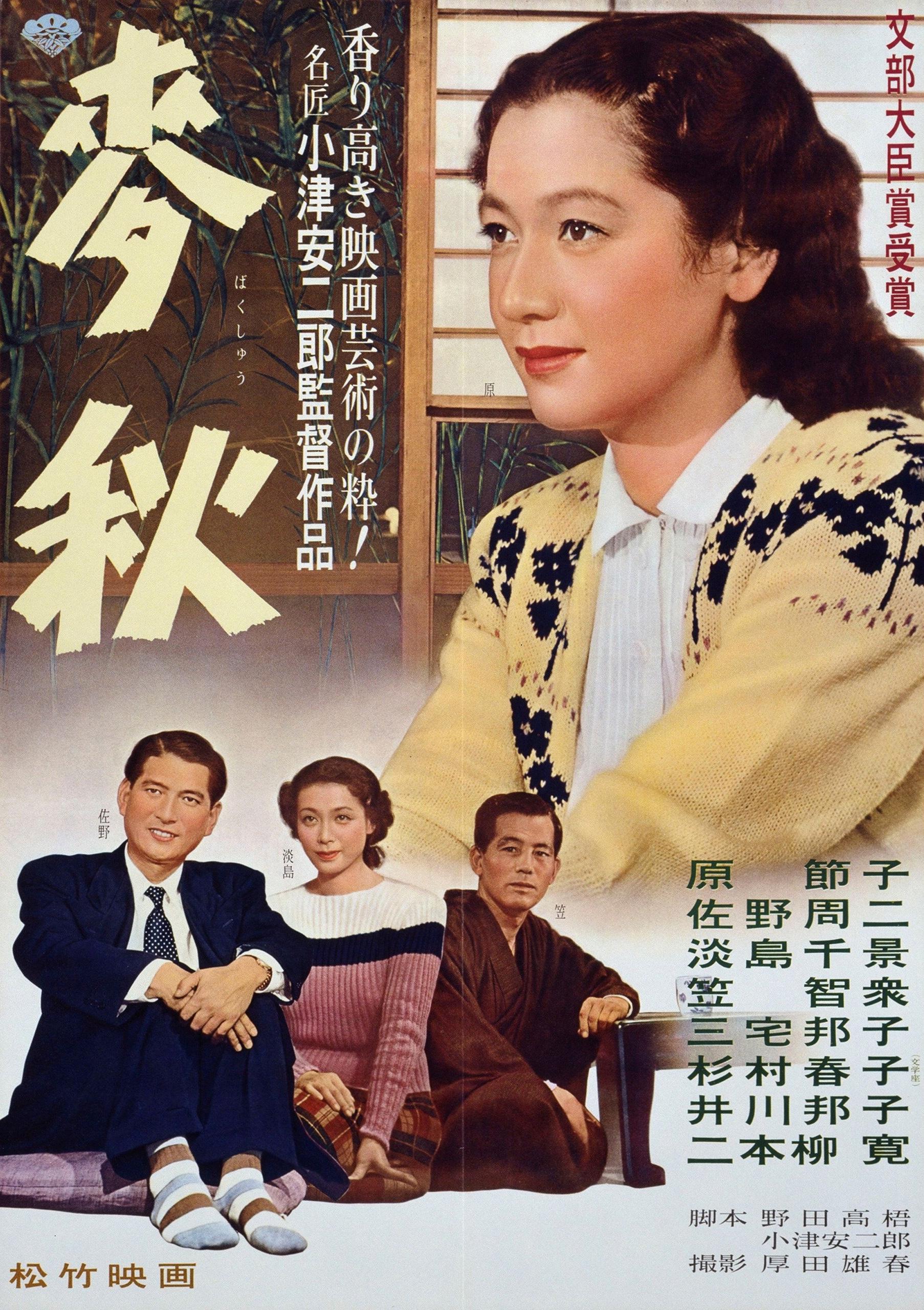
      Late Autumn
    • 1960 |
      The Wayside Pebble
    • 1959 |
      Onna gokoro
    • 1959 |
      The Three Treasures
    • 1958 |
      Oban kanketsu hen
    • 1958 |
      Onna de aru koto
    • 1957 |
      Chieko-sho
    • 1957 |
      Saigo no dasso
    • 1957 |
      Tokyo Twilight
    • 1957 |
      Zoku Ôban: Fûun hen
    • 1957 |
      Zokuzoku Ôban: Dotô hen
    • 1957 |
      Ôban
    • 1956 |
      Aijô no kessan
    • 1956 |
      Ani to sono musume
    • 1956 |
      Jôshû to tomo ni
    • 1956 |
      Sudden Rain
    • 1956 |
      Three Young Men and a Dream Girl
    • 1955 |
      Non-chan kumo ni noru
    • 1955 |
      Uruwashiki haha
    • 1954 |
      Sound of the Mountain
    • 1953 |
      Koi no fûunji
    • 1953 |
      Shirauo
    • 1953 |
      Tokyo Story
    • 1952 |
      The Wind Blows Twice
    • 1952 |
      Tokyo Sweetheart
    • 1951 |
      Early Summer
    • 1951 |
      Repast
    • 1951 |
      The Idiot
    • 1950 |
      Arupisu monogatari: Yasei
    • 1950 |
      Joi no shinsatsushitsu
    • 1950 |
      Nanairo no hana
    • 1950 |
      Shirayuki sensei to kodomo tachi
    • 1949 |
      Aoi sanmyaku
    • 1949 |
      Ojôsan kanpai
    • 1949 |
      Tonosama Hotel
    • 1949 |
      Zoku aoi sanmyaku
    • 1948 |
      Fujisancho
    • 1948 |
      Taifuken no onna
    • 1948 |
      The Limit of Happiness
    • 1948 |
      Toki no teizo: zengohen
    • 1948 |
      Yuwaku
    • 1947 |
      Anjô-ke no butôkai
    • 1947 |
      Kakedashi jidai
    • 1947 |
      Onnadake no yoru
    • 1947 |
      Sanbon yubi no otoko
    • 1946 |
      Hometown in Green
    • 1946 |
      No Regrets for Our Youth
    • 1946 |
      Reijin
    • 1945 |
      Kita no san-nin
    • 1945 |
      Until Victory Day
    • 1944 |
      Ikari no umi
    • 1944 |
      Young Eagles
    • 1943 |
      Bôrô no kesshitai
    • 1943 |
      Kessen no ôzora e
    • 1943 |
      Neppû
    • 1943 |
      The Opium War
    • 1943 |
      Wakaki hi no yorokobi
    • 1942 |
      Currents of Youth
    • 1942 |
      Haha no chizu
    • 1942 |
      Kibô no aozora
    • 1942 |
      Midori no daichi
    • 1942 |
      The War at Sea from Hawaii to Malay
    • 1942 |
      Wakai sensei
    • 1941 |
      Ani no hanayome
    • 1941 |
      Kekkon no seitai
    • 1941 |
      Shidô monogatari
    • 1941 |
      Ôinaru kanô
    • 1940 |
      Futari no sekai
    • 1940 |
      Hebihimesama
    • 1940 |
      Hikari to kage (go)
    • 1940 |
      Hikari to kage (zen)
    • 1940 |
      Onna no machi
    • 1940 |
      Shimai no yakusoku
    • 1940 |
      Totsugu hi made
    • 1940 |
      Toyuki
    • 1939 |
      Chushingura (Go)
    • 1939 |
      Chushingura (Zen)
    • 1939 |
      Machi
    • 1939 |
      Onna no kyôshitsu - Gakkô no maki: Nanatsu no omokage
    • 1939 |
      Tokyo no josei
    • 1939 |
      Uruwashiki shuppatsu
    • 1939 |
      Woman's Classroom: Part Two
    • 1938 |
      Den'en kôkyôgaku
    • 1938 |
      Fuyu no yado
    • 1938 |
      Shogun no magô
    • 1938 |
      The Giant
    • 1937 |
      Atarashiki tsuchi
    • 1937 |
      Haha no kyoku I
    • 1937 |
      Haha no kyoku II
    • 1937 |
      Kenji to sono imôto
    • 1937 |
      Tôkai Bijoden
    • 1936 |
      Hakui no kajin
    • 1936 |
      Priest of Darkness
    • 1936 |
      Seimei no kanmuri
    • 1936 |
      Tange sazen: Nikko no maki
    • 1936 |
      Yomeiri mae no musume tachi
    • 1935 |
      Midori no chiheisen kohen
    • 1935 |
      Midori no chiheisen zenpen
    • 1935 |
      Shînya no taiyô
    • 1935 |
      Tamerau nakare wakodo yo