Birthdate: Jun 10, 1886
Birthplace: Minamiboso, Japan
Died: Nov 23, 1973
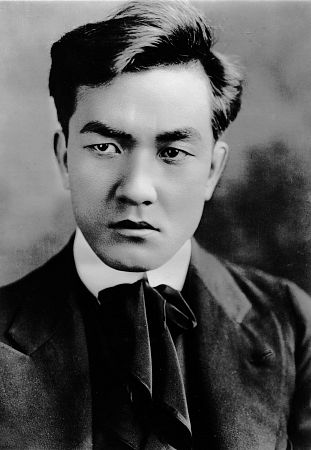
Sessue Hayakawa was born in Chiba, Japan. His father was the provincial governor and his mother a member of an aristocratic family of the "samurai" class. The young Hayakawa wanted to follow in his father's footsteps and become a career officer in the Japanese navy, but he was turned down due to problems with his hearing. The disappointed Hayakawa decided to make his career on the stage. He joined a Japanese theatrical company that eventually toured the United States in 1913. Pioneering film producer Thomas H. Ince spotted him and offered him a movie contract. Roles in The Wrath of the Gods (1914) and The Typhoon (1914) turned Hayakawa into an overnight success. The first Asian-American star of the American screen was born.
He married actress Tsuru Aoki on May 1, 1914. The next year his appearance in Cecil B. DeMille's sexploitation picture The Cheat (1915) made Hayakawa a silent-screen superstar. He played an ivory merchant who has an affair with the Caucasian Fannie Ward, and audiences were "scandalized" when he branded her as a symbol of her submission to their passion. The movie was a blockbuster for Famous Players-Lasky (later Paramount), turning Hayakawa into a romantic idol for millions of American women, regardless of their race. However, there were objections and outrage from racists of all stripes, especially those who were opposed to miscegenation (sexual contact between those of different races). Also outraged was the Japanese-American community, which was dismayed by DeMille's unsympathetic portrayal of a member of their race. The Japanese-American community protested the film and attempted to have it banned when it was re-released in 1918.
The popularity of Hayakawa rivaled that of Caucasian male movie stars in the decade of the 1910s, and he became one of the highest-paid actors in Hollywood. He made his career in melodramas, playing romantic heroes and charismatic heavies. He co-starred with the biggest female stars in Hollywood, all of whom were, of course, Caucasian. His pictures often co-starred Jack Holt as his Caucasian rival for the love of the white heroine (Holt would later become a top action star in the 1920s),
Hayakawa left Famous Players-Lasky to go independent, setting up his own production company, Haworth Pictures Corp. Through the end of the decade Haworth produced Asian-themed films starring Hayakawa and wife Tsuru Aoki that proved very popular. These movies elucidated the immigrant's desire to "cross over" or assimilate into society at large and pursue the "American Dream" in a society free of racial intolerance. Sadly, most of these films are now lost.
With the dawn of a new decade came a rise in anti-Asian sentiment, particularly over the issue of immigration due to the post-World War I economic slump. Hayakawa's films began to perform poorly at the box office, bringing his first American movie career to an end in 1922. He moved to Japan but was unable to get a career going. Relocating to France, he starred in La bataille (1923), a popular melodrama spiced with martial arts. He made Sen Yan's Devotion (1924) and The Great Prince Shan (1924) in the UK.
In 1931 Hayakawa returned to Hollywood to make his talking-picture debut in support of Anna May Wong in Daughter of the Dragon (1931). Sound revealed that he had a heavy accent, and his acting got poor reviews. He returned to Japan before once again going to France, where he made the geisha melodrama Yoshiwara (1937) for director Max Ophüls. He also appeared in a remake of "The Cheat" called Forfaiture (1937), playing the same role that over 20 year earlier had made him one of the biggest stars in the world.
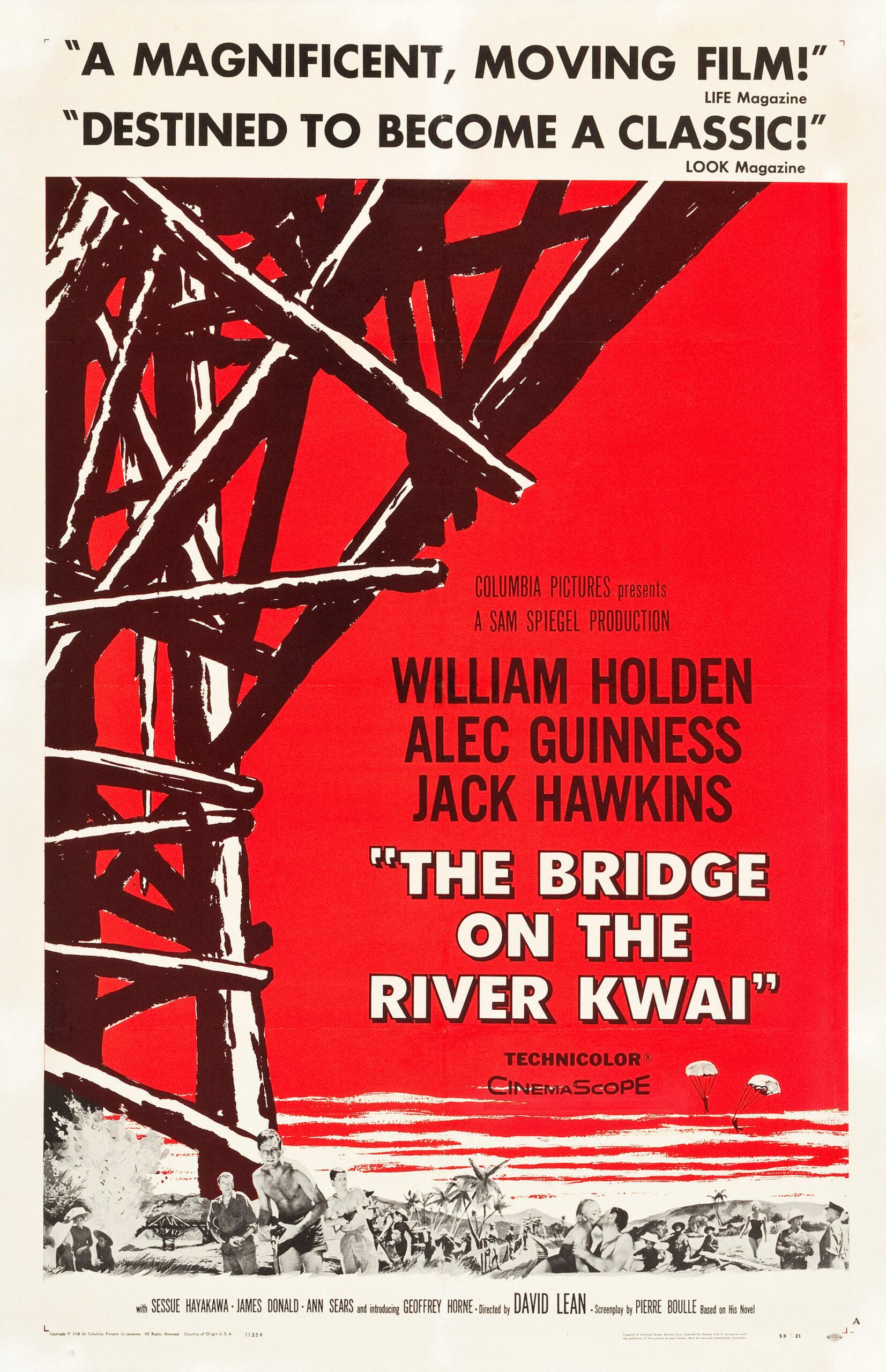
After the Second World War he took a third stab at Hollywood. In 1949 he relaunched g himself as a character actor with Tokyo Joe (1949) in support of Humphrey Bogart, and Three Came Home (1950) with Claudette Colbert. Hayakawa reached the apex of this, his third career, with his role as the martinet POW camp commandant in The Bridge on the River Kwai (1957), which brought him an Academy Award nomination for Best Suporting Actor. His performance as Col. Saito was essential to the success of David Lean's film, built as it was around the battle of wills between Hayakawa's commandant and Alec Guinness' Col. Nicholson, head of the Allied POWs. The film won the Best Picture Academy Award, while Lean and Guiness also were rewarded with Oscars.
Hayakawa continued to act in movies regularly until his retirement in 1966. He returned to Japan, becoming a Zen Buddhist priest while remaining involved in his craft by giving private acting lessons.
Ninety years after achieving stardom, he remains one of the few Asians to assume superstar status in American motion pictures.
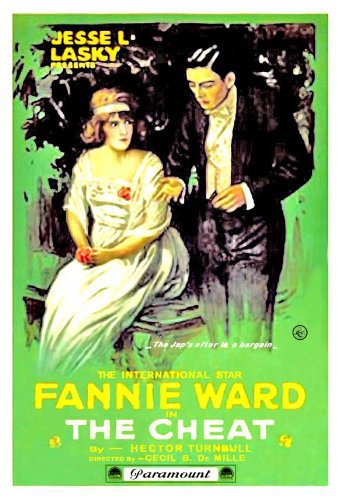
(1915)
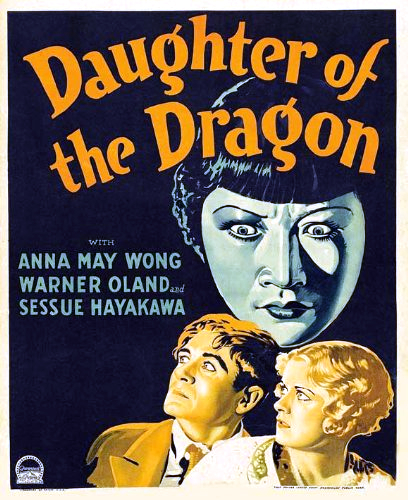
(1931)
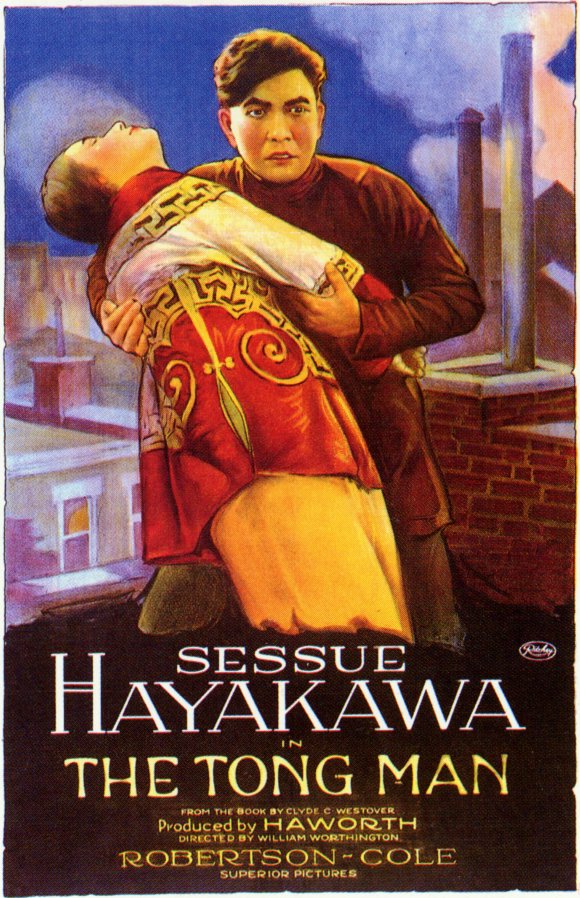
(1919)
Previous (87)
People Also Searched For