Akira Kurosawa

    Writer, Director, Second Unit Director or Assistant Director

    Birthplace: Tokyo, Japan

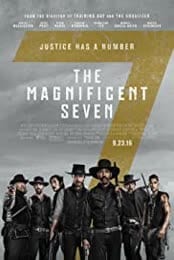
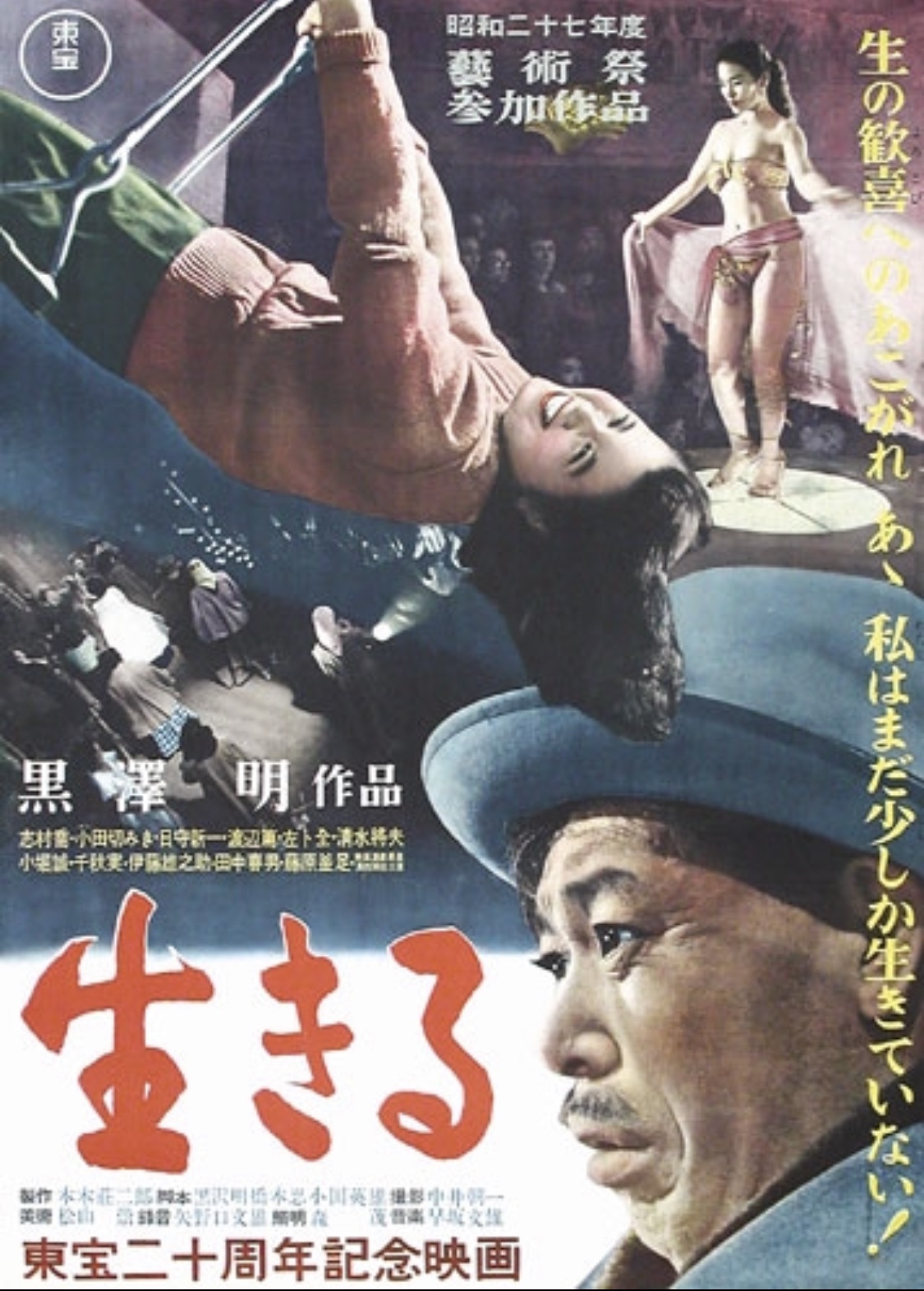
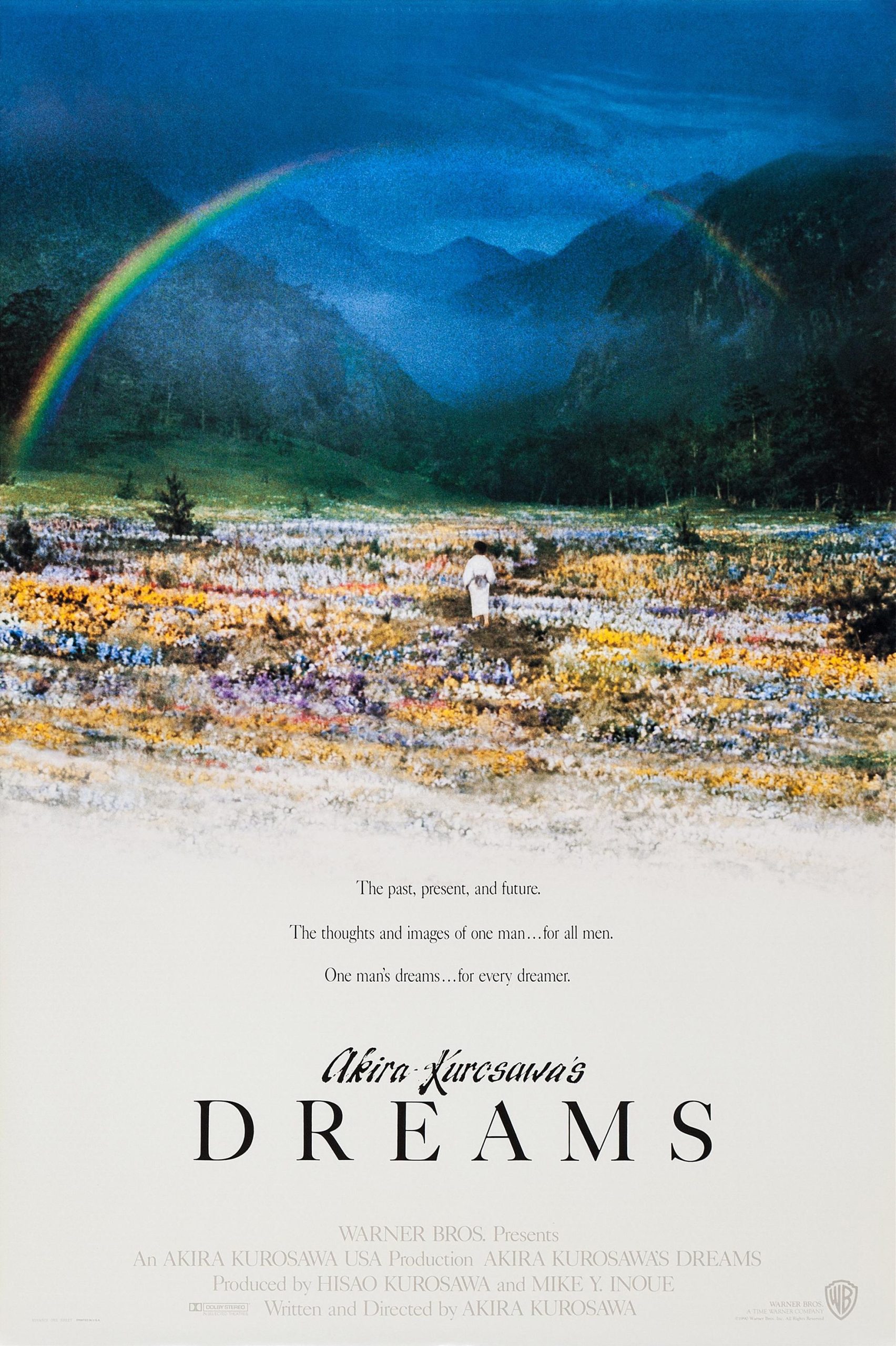
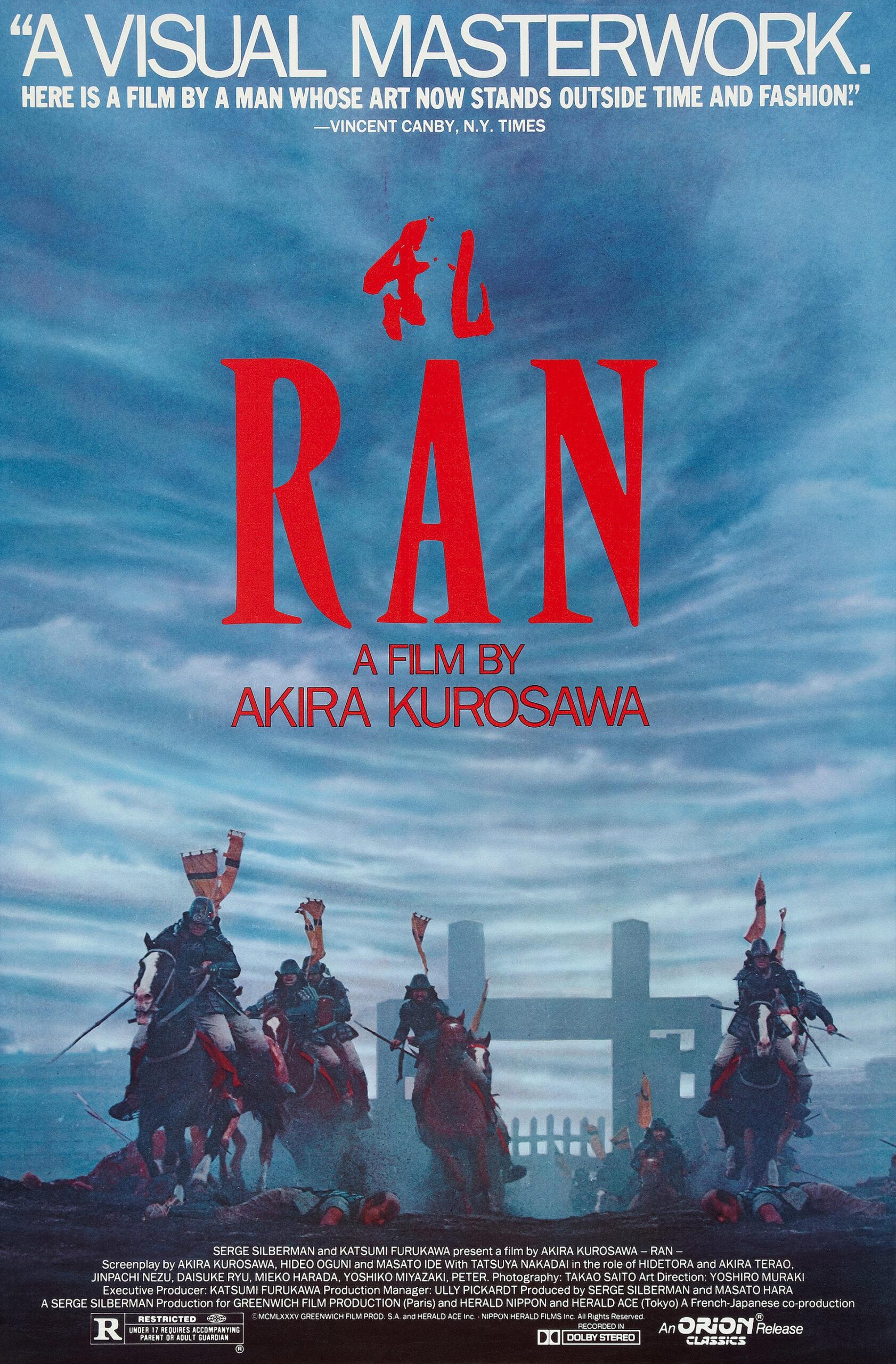
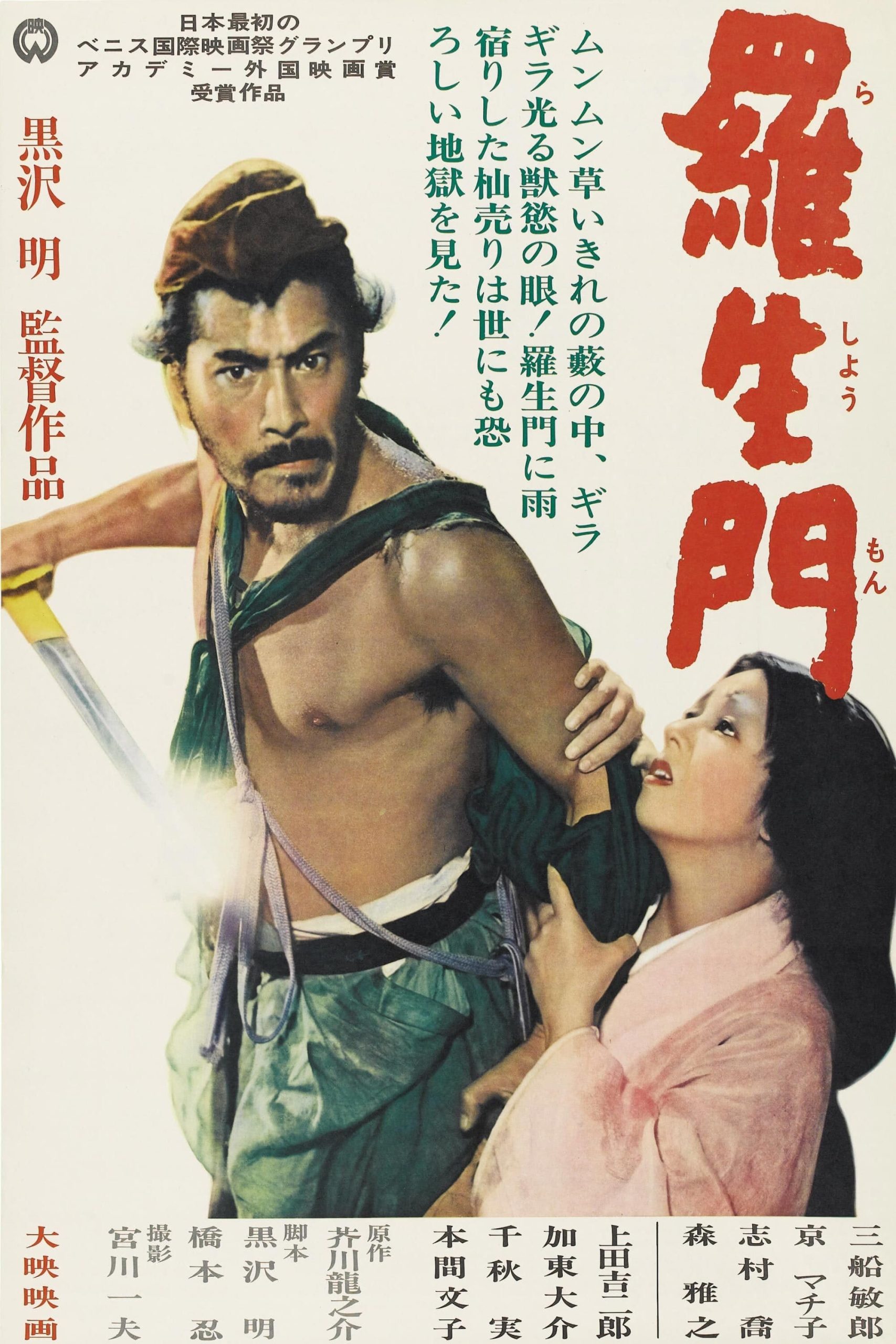
    After training as a painter (he storyboards his films as full-scale paintings), Kurosawa entered the film industry in 1936 as an assistant director, eventually making his directorial debut with Sanshiro Sugata (1943). Within a few years, Kurosawa had achieved sufficient stature to allow him greater creative freedom. Drunken Angel (1948) was the first film he made without extensive studio interference, and marked his first collaboration with Toshirô Mifune. In the coming decades, the two would make 16 movies together, and Mifune became as closely associated with Kurosawa's films as was John Wayne with the films of Kurosawa's idol, John Ford. After working in a wide range of genres, Kurosawa made his international breakthrough film Rashomon (1950) in 1950. It won the top prize at the Venice Film Festival, and first revealed the richness of Japanese cinema to the West. The next few years saw the low-key, touching Ikiru (1952) (Living), the epic Seven Samurai (1954), the barbaric, riveting Shakespeare adaptation Throne of Blood (1957), and a fun pair of samurai comedies Yojimbo (1961) and Sanjuro (1962). After a lean period in the late 1960s and early 1970s, though, Kurosawa attempted suicide. He survived, and made a small, personal, low-budget picture with Dodes'ka-den (1970), a larger-scale Russian co-production Dersu Uzala (1975) and, with the help of admirers Francis Ford Coppola and George Lucas, the samurai tale Kagemusha: The Shadow Warrior (1980), which Kurosawa described as a dry run for Ran (1985), an epic adaptation of Shakespeare's "King Lear." He continued to work into his eighties with the more personal Dreams (1990), Rhapsody in August (1991) and Madadayo (1993). Kurosawa's films have always been more popular in the West than in his native Japan, where critics have viewed his adaptations of Western genres and authors (William Shakespeare, Fyodor Dostoevsky, Maxim Gorky and Evan Hunter) with suspicion - but he's revered by American and European film-makers, who remade Rashomon (1950) as The Outrage (1964), Seven Samurai (1954), as The Magnificent Seven (1960), Yojimbo (1961), as A Fistful of Dollars (1964) and The Hidden Fortress (1958), as Star Wars: Episode IV - A New Hope (1977).

    Known For

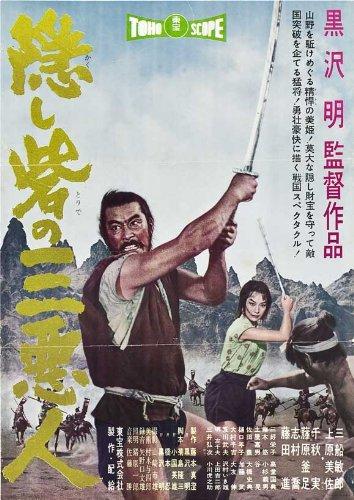
    The Hidden Fortress
    The Hidden Fortress

    (1958)

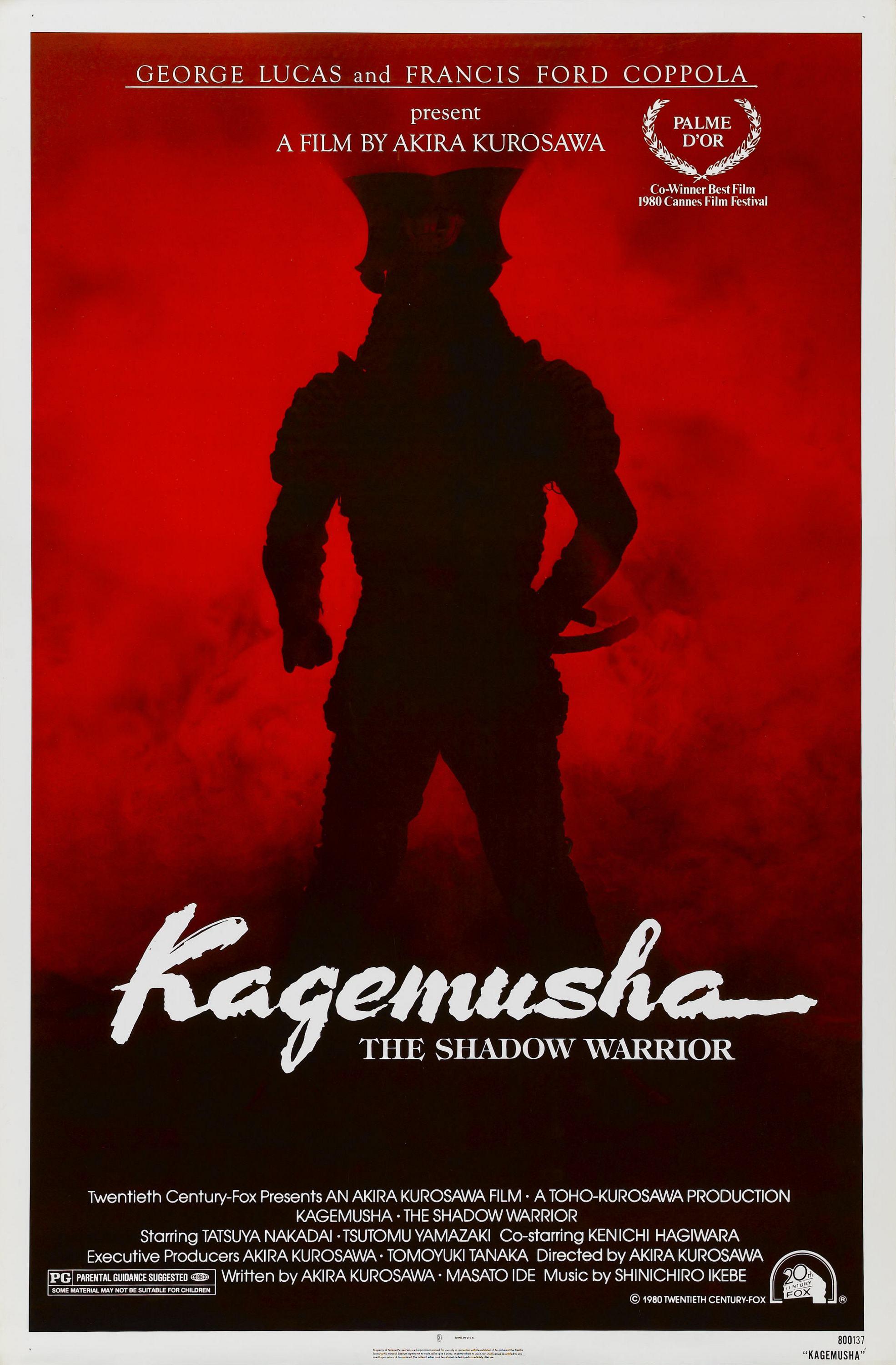
    Kagemusha: The Shadow Warrior
    Kagemusha: The Shadow Warrior

    (1980)

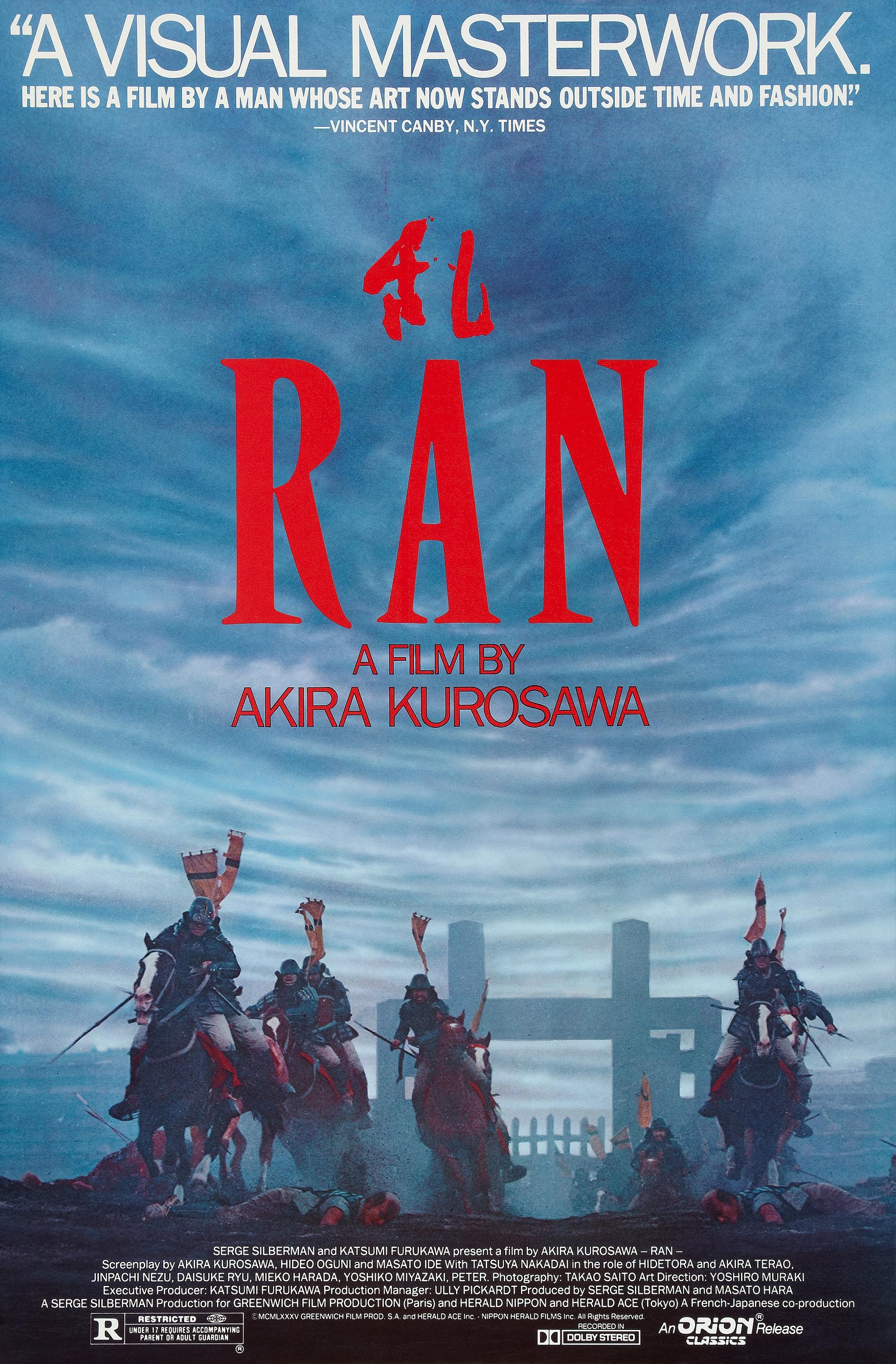
    Ran
    Ran

    (1985)

    Akira Kurosawa Movies

    actor

    Collapse

    Previous (65)

    • 2023 |
      Life work of Akira Kurosawa
    • 2011 |
      The Outrage
    • 2008 |
      The Last Princess
    • 2007 |
      Tsubaki Sanjûrô
    • 2002 |
      The Sea Is Watching
    • 1952 |
      Ikiru
    • 2000 |
      I Went To
    • 1999 |
      After the Rain
    • 1993 |
      Madadayo
    • 1991 |
      Rhapsody in August
    • 1990 |
      Dreams
    • 1985 |
      A.K.
    • 1985 |
      Runaway Train
    • 1985 |
      Ran
    • 1980 |
      Kagemusha: The Shadow Warrior
    • 1975 |
      Dersu Uzala
    • 1972 |
      75 Years of Cinema Museum
    • 1970 |
      Dodes'ka-den
    • 1968 |
      The Last Day of Hsianyang
    • 1965 |
      Red Beard
    • 1964 |
      Jakoman and Tetsu
    • 1963 |
      High and Low
    • 1962 |
      Sanjuro
    • 1962 |
      Fencing Master
    • 1957 |
      Throne of Blood
    • 1961 |
      Yojimbo
    • 1960 |
      The Bad Sleep Well
    • 1959 |
      Sengoku gunto-den
    • 1958 |
      The Hidden Fortress
    • 1957 |
      Nichiro senso shori no hishi: Tekichu odan sanbyaku-ri
    • 1957 |
      The Lower Depths
    • 1955 |
      Asunaro monogatari
    • 1955 |
      I Live in Fear
    • 1955 |
      Kieta chutai
    • 1955 |
      Soman kokkyô 2-gô sakusen: Kieta chûtai
    • 1953 |
      My Wonderful Yellow Car
    • 1952 |
      Sword for Hire
    • 1952 |
      Vendetta of a Samurai
    • 1951 |
      Beyond Love and Hate
    • 1951 |
      Kedamono no yado
    • 1951 |
      The Idiot
    • 1950 |
      Rashomon
    • 1950 |
      Desertion at Dawn
    • 1950 |
      Jiruba Tetsu
    • 1950 |
      Scandal
    • 1950 |
      Tateshi Danpei
    • 1949 |
      Jigoku no kifujin
    • 1949 |
      Stray Dog
    • 1949 |
      The Quiet Duel
    • 1948 |
      Drunken Angel
    • 1948 |
      The Portrait
    • 1947 |
      Four Love Stories
    • 1947 |
      One Wonderful Sunday
    • 1947 |
      Snow Trail
    • 1946 |
      No Regrets for Our Youth
    • 1946 |
      Those Who Make Tomorrow
    • 1945 |
      Sanshiro Sugata, Part Two
    • 1945 |
      The Admirable Ishin Tasuke
    • 1945 |
      The Men Who Tread on the Tiger's Tail
    • 1944 |
      Dohyo matsuri
    • 1944 |
      The Most Beautiful
    • 1943 |
      Sanshiro Sugata
    • 1942 |
      Currents of Youth
    • 1942 |
      Tsubasa no gaika
    • 1941 |
      Uma

    writer

    Collapse

    Previous (2)

    • 2022 |

      Living

    • 2016 |

      The Magnificent Seven

    director

    Collapse

    Previous (5)

    • 2002 |

      Ikiru

    • 1990 |

      Dreams

    • 1985 |

      Ran

    • 1956 |

      Seven Samurai

    • 1951 |

      Rashomon